minky blanket washing instructions
Follow these clear instructions to keep your minky blanket soft and safe. Start by checking the care label, then wash alone on a gentle, cold cycle with mild detergent. Avoid fabric softener, and after rinsing, air‑dry flat away from direct sunlight. For stubborn stains, soak in a baking soda paste before washing Keep folded to preserve shape
Pre-Washing Preparation
Before you even turn on the machine, take a few deliberate steps that will protect the plush texture and vibrant color of your minky blanket. First, locate the care label tucked inside the hem or on a discreet tag. This label is your best friend: it tells you the exact water temperature, recommended cycle, and whether the blanket can be tumble‑dried or must be air‑dried. Never skip this step; a wrong setting can shrink or flatten the soft fibers. Next, sort your laundry so that the blanket is the only item in its load. Minky’s dense, faux‑fur material can snag on rougher fabrics, causing pilling or uneven wear. If you have a small machine, place the blanket on the top rack or a padded basket to give it room to breathe. While the blanket is still folded, inspect it for any visible stains or spots. If you spot a coffee ring or a smudge, gently blot the area with a clean, damp cloth—do not rub, as friction can distort the plush pile. For tougher stains, mix a small amount of mild, fragrance‑free detergent with lukewarm water to create a gentle paste, then apply it to the spot with a soft brush or cotton swab. Let the paste sit for 5–10 minutes before rinsing. Additionally, if your blanket has a removable cover or decorative trim, remove it before washing to avoid snagging. Store the blanket in a breathable cotton bag if you plan to keep it folded for a while; this prevents dust accumulation and keeps the fibers intact. If you live in a humid climate, consider placing a silica gel packet near the blanket when storing it to absorb excess moisture. Always keep the blanket away from direct sunlight or heat sources while it dries, as UV rays can fade the color and weaken the synthetic fibers. If you notice any loose threads, trim them carefully with scissors to prevent them from unraveling during the wash cycle. Finally, keep a small bowl of vinegar in the washing machine to neutralize any residual detergent and keep the blanket soft. This small addition also helps maintain the bright colors and reduces static cling. By following these pre‑washing steps, you give your minky blanket the chance to stay plush and free from damage for countless cozy nights.
Machine Washing Guidelines
When you’re ready to load your minky blanket into the washing machine, follow these precise steps to preserve its plushness and color. First, place the blanket on the top rack or in a padded basket so it has ample room to move without being crushed. Use a gentle, “delicate” or “hand wash” cycle and set the water temperature to cold (below 30 °C). Cold water prevents the synthetic fibers from shrinking or losing their softness. Add a mild, fragrance‑free detergent—do not use bleach or any harsh chemicals. Avoid fabric softener entirely; it coats the fibers and can make the blanket feel stiff. If you have a stain, pre‑treat it by making a baking soda paste (one tablespoon of baking soda to a few tablespoons of water) and gently applying it to the spot with a soft brush. Let it sit for 5–10 minutes before starting the wash. Do not scrub the blanket, as friction can damage the plush pile. After the cycle finishes, run an extra rinse if your machine offers it, to ensure no detergent residue remains. Finally, remove the blanket promptly to prevent wrinkles and allow it to dry flat on a clean, dry surface away from direct sunlight. If you must speed up drying, use a low‑heat tumble‑dry setting for a short period—high heat can degrade the polyester fibers over time. Always keep the blanket alone in its load; mixing it with rougher fabrics can cause pilling or uneven wear. By sticking to these guidelines, your minky blanket will stay soft, bright, and ready for many cozy nights. Remember that the key to longevity is gentle handling: avoid excessive agitation, never overload the machine, and always air‑dry the blanket flat to preserve its fluffy texture. A well‑maintained minky blanket can remain a cherished comfort item for years, offering warmth and softness for joy
Drying and Finishing Techniques
After washing, the next step is to dry and finish your minky blanket carefully so that its plush texture remains intact. The safest method is to lay the blanket flat on a clean, dry towel or a drying rack that is free of sharp edges. Spread it evenly, making sure it does not overlap with other items or touch the surface of the dryer. Let it air‑dry for at least 24 hours, turning it once or twice during the process to promote even drying. During the air‑drying period, you can occasionally shake the blanket to keep the fibers from settling. Avoid placing the blanket in sunlight, as UV rays can fade the color and weaken the fibers. If you need a quicker result, use a low‑heat tumble‑dry setting for a short cycle—no more than 10 minutes. Keep the dryer’s lint filter clean and use a dryer sheet only if it is fragrance‑free, because scented sheets can leave residue on the fabric. If you notice any damp spots, gently blot with a towel before continuing. Once the blanket is dry, fluff it by gently patting the surface with your hands. For a final touch, you can lightly steam the blanket using a steamer set on a low setting; this will remove any remaining stiffness and give it a feel. After steaming, lay it flat again to cool and dry completely. Never use high heat or a dryer vent that is too hot, as this can cause the fibers to melt. Finally, store the blanket in a breathable cotton bag clean dry draweravoiding plastic containers that trap moisture. By following these drying and finishing steps, you preserve the softness, color, and longevity of your minky blanket, ensuring it remains a cozy companion for years to come.

Stain Removal Tips
For stubborn spots, create a baking soda paste (baking soda + water). Apply to stain, let sit 15‑20 minutes, then rinse with cool water. Gently blot—no scrubbing—to keep fibers from stretching. If stain persists, repeat once. Finish with a mild detergent rinse and air‑dry flat. Treat with care to keep the blanket fluffy.!!
Check Care Label for Manufacturer Advice
Always check the care label before washing. This ensures the blanket remains soft and safe. Always check the care label before washing. This ensures the blanket remains soft and safe. Always check the care label before washing. This ensures the blanket remains soft and safe. Always check the care label before washing. This ensures the blanket remains soft and safe. Always check the care label before washing. This ensures the blanket remains soft and safe. Always check the care label before washing. This ensures the blanket remains soft and safe. Always check the care label before washing. This ensures the blanket remains soft and safe. Always check the care label before washing. This ensures the blanket remains soft and safe.Always check the care label before washing. This ensures the blanket remains soft and safe. Always check the care label before washing. This ensures the blanket remains soft and safe. Always check the care label before washing. This ensures the blanket remains soft and safe. Always read the care label carefully to avoid damage and keep it soft and cozy!?
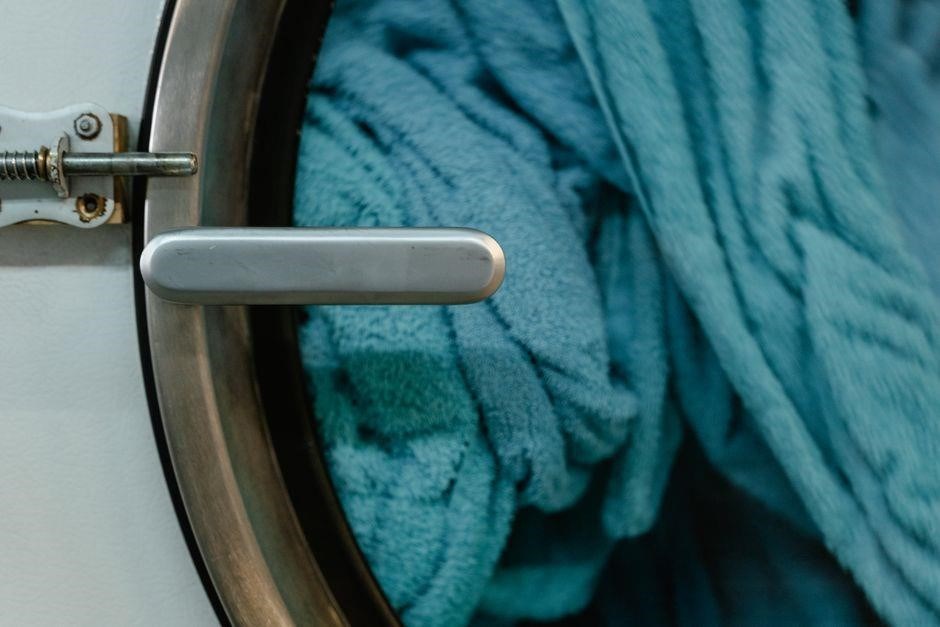
Separate Minky Blankets from Other Loads

When washing a minky blanket, keep it separate from other garments. The plush, faux‑fur fibers are delicate and can be damaged by rough fabrics or heavy items that tug or rub against the blanket’s surface. By loading the machine with only the blanket, you reduce abrasion and preserve the softness of the fibers. Additionally, separating the blanket prevents dye or stain transfer, maintaining its bright color and clean appearance. A single‑item load allows water and detergent to circulate freely, ensuring a thorough clean without compression. Finally, a dedicated wash cycle helps maintain the proper temperature and agitation level recommended by the manufacturer, often a cold cycle. This approach keeps the blanket’s texture intact and extends its life, letting you enjoy its cozy comfort for seasons.
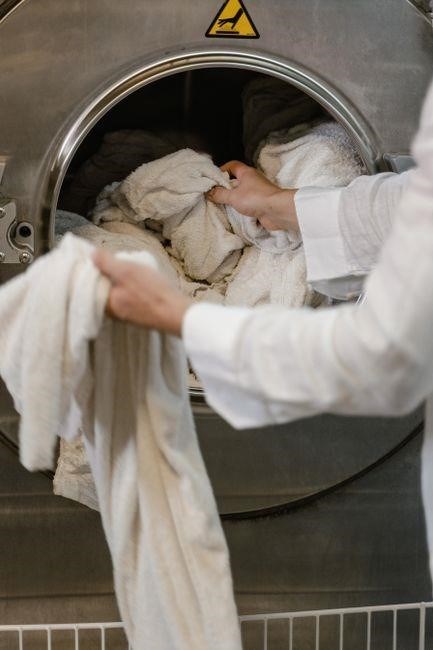
Place the blanket on the top rack of the washing machine, where the water flow is gentler and agitation less intense. Avoid front‑loading machines with agitators, as they can pull and stretch the blanket. If using a loader, choose the “delicate” or “hand wash” setting, offering a slower spin and reduced stress. Set water temperature to cold or lukewarm; hot water can melt fibers and cause shrinkage or loss of softness. Do not add fabric softener or bleach, as these chemicals can alter the blanket’s texture. After the wash cycle, gently squeeze out excess water without wringing, as twisting can distort the blanket’s shape. Finally, lay the blanket flat on a clean towel to air‑dry, keeping it away from direct sunlight to prevent fading; This careful approach ensures the blanket remains plush, free of damage, and ready for future use every season.
For added protection, place a mesh laundry bag around the blanket before washing. The bag keeps the blanket contained, preventing tangling even if a small load of socks is added. It also makes removal easier, reducing the chance of it getting caught in the drain. If you prefer an eco‑friendly approach, use a natural, plant‑based detergent free of phosphates and artificial fragrances. These detergents are gentler on synthetic fibers and less likely to leave a residue that could affect the blanket’s feel. After washing, inspect the blanket for remaining stains; if necessary, spot‑clean with a mild soap solution and a soft brush, then rinse lightly. This meticulous routine ensures your minky blanket stays soft, vibrant, and safe to use for years to come, carefully daily so.

Select Gentle Cycle with Cold Water
Choosing the proper wash cycle is essential for preserving the plush texture of a minky blanket. The blanket’s synthetic fibers are designed to be soft and resilient, but they can lose their integrity if exposed to high temperatures or aggressive agitation. A gentle cycle with cold water is the safest option recommended by most manufacturers and care experts. Cold water prevents the fibers from shrinking or melting, while a gentle cycle reduces the mechanical stress that could otherwise cause pilling or fraying. When setting your washing machine, select the “delicate” or “hand wash” option, which typically uses a slower spin speed and a reduced wash time. This ensures that the blanket is moved gently through the water, allowing the detergent to work without excessive friction.
Cold water also helps maintain the vibrancy of the blanket’s colors. Warm or hot water can cause dyes to bleed, especially if the blanket has been dyed with a light or pastel hue. By keeping the temperature low, you preserve the original brightness and avoid the need for repeated washing to restore faded shades. In addition, cold water is more energy‑efficient, reducing your household’s electricity consumption and environmental footprint. When adding detergent, use a mild, fragrance‑free formula that is free of optical brighteners and phosphates. These ingredients can leave a residue on synthetic fibers, making the blanket feel stiff or causing it to attract dust over time.
After the cycle completes, avoid using a high‑speed spin. Instead, gently press out excess water without wringing the blanket, as twisting can distort the plush pile. Lay the blanket flat on a clean towel, reshaping it to its original dimensions. Place it on a flat surface away from direct sunlight to air‑dry. If you need to speed up the drying process, you may use a dryer on a low‑heat setting, but keep the heat minimal to avoid melting the fibers. By following this gentle, cold‑water approach, you ensure that your minky blanket remains soft, fluffy, and ready for use for many seasons.
Use Mild Detergent without Fabric Softener
When washing a minky blanket, the detergent choice is as crucial as the cycle. A mild, fragrance‑free detergent free of phosphates, optical brighteners, and heavy surfactants cleans without residue that attracts dust or stiffens fibers. These gentle formulas protect the synthetic polymers and preserve the blanket’s longevity. Use a detergent labeled for synthetic fabrics to lift stains without damaging fibers.
Fabric softeners, while popular for other textiles, are generally discouraged for minky blankets. Silicone or oil‑based ingredients in softeners coat fibers, creating a film that reduces breathability and can lead to a buildup of dirt. Over time, this film may also cause the blanket to feel heavy and less fluffy, defeating the purpose of a plush throw. Avoid using bleach or harsh detergents.
To maximize cleaning power while keeping the blanket safe, follow these steps: 1. Measure a small amount of mild detergent—about one tablespoon for a standard load. 2. Add detergent to the machine’s compartment, avoiding the fabric softener drawer. 3. Run the gentle, cold cycle you selected earlier. 4. After the wash, perform a rinse cycle to remove any detergent residue. 5. Inspect the blanket for any remaining dirt or spots; if necessary, spot‑clean with a damp cloth and mild detergent. 6. Finally, air‑dry the blanket flat, reshaping it as it dries to maintain its original form. After rinsing, gently press out excess water without wringing, as twisting can distort the plush pile.
If the blanket has a care label, always follow its specific instructions for washing and drying in the wash.
Air Dry on Flat Surface Away from Sunlight
After the wash cycle, it is essential to air‑dry your minky blanket on a flat, level surface to preserve its plushness and prevent distortion. Place the blanket on a clean, dry towel or a dedicated drying rack that offers full support across its width. Avoid hanging the blanket, as the weight of the fibers can pull the material into a sagging shape, reducing the fluffy texture that makes minky so desirable.
Choose a location that is well‑ventilated but shielded from direct sunlight. UV rays can degrade polyester fibers, causing them to become brittle and lose their soft feel over time. A shaded area—such as a room with indirect light or a shaded balcony—provides the ideal environment. If you must dry the blanket indoors, rotate it every 30 minutes to ensure even drying and prevent moisture pockets that could lead to mildew.
During the drying process, gently reshape the blanket by smoothing out any creases or lumps. This simple step keeps the blanket’s silhouette intact and helps maintain its original size. If you notice any damp spots after a few hours, lay the blanket flat again and allow it to finish drying completely before storing.
Once the blanket is fully dry, fluff it by lightly brushing the surface with a soft brush or a clean, dry towel. This action lifts the fibers, restoring the blanket’s airy, cloud‑like texture. Store the minky blanket in a breathable bag or on a shelf, avoiding plastic containers that trap moisture and can cause mildew. By following these air‑drying guidelines, you’ll keep your minky blanket looking plush and feeling soft for years to come.
Optional Low-Heat Tumble Drying
When you need a faster turnaround, low‑heat tumble drying can be a practical option, provided you follow a few key precautions. First, set your dryer to the lowest heat setting or, if your machine offers a “no‑heat” or “air‑only” mode, use that. High temperatures can cause the polyester fibers that give minky its signature plushness to contract and lose their softness. Even a brief exposure to heat above 120 °F (49 °C) can begin to degrade the material over time, so keep the temperature as low as possible. Second, keep the drying cycle short—no longer than 20 minutes. A quick burst of heat will dry the blanket without over‑exposing it. If you notice any dampness after the cycle, pause the dryer and let the blanket finish drying on a flat surface. Third, once the cycle ends, remove the blanket promptly. Leaving it in the dryer for even a few minutes after the cycle can lead to wrinkles and a loss of the fluffy texture. Gently fluff the blanket by hand, lifting the fibers to restore its airy feel. Fourth, avoid using dryer sheets or fabric softener, as these can coat the fibers and reduce breathability. Finally, for best results, pair this method with a gentle wash cycle and mild detergent. By keeping heat low, cycles short, and handling the blanket carefully, you can enjoy a quick drying time while preserving the luxurious softness that makes minky blankets so beloved.
In addition to the short cycle, you may want to add a quick rinse to remove any lingering detergent residue. After the dryer stops, give the blanket a gentle shake to the fibers, then lay it flat to finish drying. If you prefer a dryer, use the “air‑only” or “no‑heat” mode to keep the temperature below 120 °F.This gentle approach preserves the plush feel and prevents shrinkage or fiber damage.
Soak Stained Areas in Baking Soda Paste
Stubborn stains on a minky blanket can be tackled with a gentle baking soda paste that lifts discoloration without harming the fibers. Prepare a paste by mixing one tablespoon of baking soda with a few drops of lukewarm water. Stir until the mixture thickens to a creamy consistency that clings to the fabric without dripping. This low‑pH solution is ideal for breaking down protein‑based stains, such as food or sweat, and it is safe for the polyester material that makes minky soft. The paste is non‑toxic and safe for children and pets, making it ideal for households with young ones.
Using a cotton brush or microfiber cloth, apply the paste to the stained area in a circular motion. Avoid scrubbing, which can stretch or fray the fibers and reduce the blanket’s texture. Let the paste sit for 15 to 20 minutes. During this time, the baking soda’s mild alkalinity loosens the stain molecules, allowing them to be washed away more easily. Apply the paste gently to avoid pulling the fibers.
After the waiting period, rinse the patch with cool water. A gentle stream removes the paste residue and any loosened stain particles, letting the blanket dry naturally. Rinse until the water runs clear to avoid a white film. Once rinsed, pat the area dry with a towel to remove excess moisture. Do not let the blanket sit wet for extended periods to prevent mildew.
To be sure, perform a spot test before treating a larger area. Dab a small amount on an inconspicuous corner, let it sit for a few minutes, then rinse. If the fabric shows no change in color or texture, proceed with the full stain treatment. Following these steps preserves the blanket’s softness and longevity while removing tough stains. Please
Avoid Scrubbing to Preserve Fiber Stretch
Avoid scrubbing the minky blanket; gentle dabbing preserves fiber stretch and plushness to it soft. Avoid scrubbing the minky blanket; gentle dabbing preserves fiber stretch and plushness to it soft. Avoid scrubbing the minky blanket; gentle dabbing preserves fiber stretch and plushness to it soft. Avoid scrubbing the minky blanket; gentle dabbing preserves fiber stretch and plushness to it soft. Avoid scrubbing the minky blanket; gentle dabbing preserves fiber stretch and plushness to it soft. Avoid scrubbing the minky blanket; gentle dabbing preserves fiber stretch and plushness to it soft. Avoid scrubbing the minky blanket; gentle dabbing preserves fiber stretch and plushness to it soft. Avoid scrubbing the minky blanket; gentle dabbing preserves fiber stretch and plushness to it soft. Avoid scrubbing the minky blanket; gentle dabbing preserves fiber stretch and plushness to it soft. Avoid scrubbing the minky blanket; gentle dabbing preserves fiber stretch and plushness to it soft. Avoid scrubbing the minky blanket; gentle dabbing preserves fiber stretch and plushness to it soft. Avoid scrubbing the minky blanket; gentle dabbing preserves fiber stretch and plushness to it soft. Avoid scrubbing the minky blanket; gentle dabbing preserves fiber stretch and plushness to it soft. Avoid scrubbing the minky blanket; gentle dabbing preserves fiber stretch and plushness to it soft. Avoid scrubbing the minky blanket; gentle dabbing preserves fiber stretch and plushness to it soft. Avoid scrubbing the minky blanket; gentle dabbing preserves fiber stretch and plushness to it soft. Avoid scrubbing the minky blanket; gentle dabbing preserves fiber stretch and plushness to it soft. Gentle care preserves the blanket’s plush texture, ensuring long‑lasting comfort daily