
ferrari california manual gearbox
Overview of Ferrari California Manual Gearbox
The Ferrari California offered a rare 6‑speed manual, limited to three units worldwide. Two survive, prized for their exposed H‑pattern shifter and true clutch pedal. This manual variant contrasts with the 7‑speed dual‑clutch, preserving a tactile driving legacy.Its scarcity fuels collector demandand

Historical Context of Manual Transmissions in Ferrari
Ferrari’s relationship with manual gearboxes dates back to the brand’s early road cars, where the driver’s engagement was a core selling point. From the 250 series of the 1950s through the 308 GT4 and the 348, manual transmissions were the default, offering a direct link between the driver and the V12 or V8 powerplant. The 1990s saw the introduction of the 599 GTB, the last mainstream Ferrari to feature a conventional 6‑speed manual, cementing the tradition of a three‑pedal experience. In the early 2000s, the shift towards dual‑clutch systems began with the 430 Scuderia, yet the California’s 2012 model offered a rare return to the manual, with only a handful produced. This brief revival highlighted Ferrari’s willingness to preserve the tactile heritage while embracing modern performance demands. These historical milestones underscore Ferrari’s long‑standing commitment to driver engagement, even evolved. Beyond the California,Ferrari’smanual lineage stretches back to 250 GTO of the 1960s, a car that set the standard for road cars. The 360 Modena, 308 GT4, and 348 were 6‑speed manuals, each offering that appealed to purists. The 599 GTB, produced from 2006 to 2010, was the last mainstream Ferrari to feature a conventional gearbox before the brand pivoted to dual‑clutch and hybrid systems. These historical milestones underscore Ferrari’s long‑standing commitment to driver engagement, even evolved. in 2026.now!
Specifications of the 6-Speed Manual Gearbox
The Ferrari California’s 6‑speed manual, sourced from the 1990s‑era 599 GTB, features a lightweight aluminum case and a close‑ratio gear spread designed for spirited driving. It offers a 1st‑to‑2nd ratio of 3.23:1, 2nd‑to‑3rd of 2.07:1, 3rd‑to‑4th of 1.57:1, 4th‑to‑5th of 1.25:1, 5th‑to‑6th of 1.00:1, and a 6th‑to‑overdrive of 0.78:1, allowing the engine to stay in peak torque while cruising. The gearbox’s synchronizers are forged steel, and the shift lever is a classic H‑pattern, mounted on a steel cable‑driven linkage that provides a tactile feel. The clutch is a single‑disc, dry type, rated at 1,200 Nm, and the flywheel is a 1,200 kg forged alloy. The overall weight of the unit is approximately 95 kg, and it is designed to handle 1,000 Nm of torque. The gearbox’s input shaft is a 30 mm diameter, and the output shaft is 35 mm, both bearing on high‑strength bearings. The final drive ratio is 3.42:1, giving the California a top‑speed of around 310 km/h. The manual system is paired with a 7‑speed dual‑clutch for the 2012 model, but the true manual variant is a single‑clutch system that delivers a pure, engaging experience.
Lorem ipsum dolor sit amet, consectetur adipiscing elit. Lorem ipsum dolor sit amet, consectetur adipiscing elit. Lorem ipsum dolor sit amet, consectetur adipiscing elit. Lorem ipsum dolor sit amet, consectetur adipiscing elit. Lorem ipsum dolor sit amet, consectetur adipiscing elit. Lorem ipsum dolor sit amet, consectetur adipiscing elit. Lorem ipsum dolor sit amet, consectetur adipiscing elit. Lorem ipsum dolor sit amet, consectetur adipiscing elit. More!
Manufacturing and Limited Production Numbers
Ferrari’s decision to offer a 6‑speed manual in the California was a deliberate nod to purists, but the numbers were deliberately capped. Only three cars were ever built with the hand‑shifted gearbox, all in the 2012 model year. The production run was confined to the Maranello plant, where the gearbox was assembled by the same team that built the 599 GTB’s manual unit. Each unit was hand‑finished, with a custom H‑pattern shifter machined from a single block of aluminum and hand‑polished to a mirror finish. The clutch was a dry single‑disc rated at 1,200 Nm, and the gearbox weighed just 95 kg. Because the manual variant was not part of the standard line, the three cars were built on a special order basis, with buyers paying a premium of roughly €30,000 over the dual‑clutch version. The gearbox itself was derived from the 599 GTB’s 6‑speed manual, a testament to Ferrari’s engineering continuity. These units are prized for their tactile engagement and classic H‑pattern feel. Ferrari’s decision to keep the production numbers low was a strategic move to preserve the manual’s exclusivity and maintain the brand’s image as a maker of rare machines. This approach has ensured that the manual California remains a symbol of Ferrari’s commitment to driving pleasure, even as the company moves toward more automated transmissions in newer models. The limited production numbers also mean that each manual California carries a unique serial number, used by collectors to verify authenticity and provenance.!!
The 6‑speed manual in the California delivers a distinctively linear power delivery, with each gear change offering a crisp, audible shift that enhances the driving experience. The gearbox is paired with a 3.9‑liter V8 that produces 400 hp and 400 lb‑ft of torque, allowing the car to accelerate from 0‑60 mph in 4.9 seconds with the manual engaged. Gear ratios are carefully tuned to balance acceleration and top‑speed performance: 1st gear is 3.71:1, 2nd 2.20:1, 3rd 1.56:1, 4th 1.00:1, 5th 0.78:1, and 6th 0.63:1. These ratios provide a smooth transition between gears while maintaining the engine within its optimal power band. The final drive ratio is 3.45:1, which, combined with the 6‑speed layout, yields a top speed of approximately 175 mph. The gearbox’s lightweight construction, at just 95 kg, reduces overall vehicle weight, improving handling dynamics. The manual’s short throw shifter, with a 2.5‑inch throw, allows for rapid gear changes, while the dry clutch’s high torque capacity ensures minimal slippage even under aggressive driving. The overall feel is one of directness and responsiveness, characteristics that enthusiasts value when comparing the manual to the dual‑clutch counterpart. The manual’s performance is further highlighted by its ability to maintain a consistent rev‑range, giving drivers full control over power delivery and enabling a more engaging driving session. The gearbox’s design also incorporates a counter‑shaft that reduces vibration, ensuring a smooth ride even at high speeds. The result is a refined, engaging drive.
Comparison with Dual-Clutch Transmission Variant
The manual California’s 6‑speed gearbox offers a tactile, sequential shift experience that contrasts sharply with the dual‑clutch’s rapid, almost seamless transitions. While the DCT delivers lightning‑fast gear changes—often under 50 ms—the manual requires a deliberate clutch engagement and a 2.5‑inch throw, making each shift feel intentional. In terms of acceleration, the manual’s 0‑60 mph time of 4.9 seconds is only marginally slower than the DCT’s 4.7 seconds, yet the manual’s torque curve remains fully accessible, allowing drivers to maintain the engine within its peak power band without the slight lag that can occur during a clutch‑free shift. The DCT’s torque converter can introduce a brief “slip” during launch, whereas the manual’s dry clutch provides immediate power delivery. Fuel efficiency also diverges: the DCT typically achieves a 2–3 percent improvement over the manual, thanks to its ability to hold gears longer and reduce engine RPM. However, the manual’s lighter weight and simpler mechanical layout reduce overall drivetrain losses, partially offsetting the efficiency gap. From a maintenance standpoint, the DCT’s complex electronics and dual clutches demand more specialized service, whereas the manual’s straightforward design offers easier, more cost‑effective upkeep. Finally, the emotional engagement differs: the manual’s audible gear changes and the tactile feel of the H‑pattern shifter evoke a classic Ferrari driving ethos, while the DCT appeals to those prioritizing performance and convenience. The manual’s 6‑speed gearbox, built by FPT, weighs 95 kg and uses a dry clutch with a 1.2 m² contact area, delivering a 400 lb‑ft torque capacity. The DCT, on the other hand, incorporates two 8‑speed gearboxes with a single clutch pack, weighing 120 kg, and relies on a torque‑converter to smooth transitions. Drivers often report that the manual’s short throw and audible shift cadence provide a more visceral connection to the car’s performance, whereas the DCT’s rapid shifts can feel almost robotic. In endurance scenarios, the manual’s ability to keep the engine in the optimal rev range without the risk of clutch wear is advantageous, while the DCT’s electronic shift logic can adapt to varying conditions, offering a more consistent lap time. Ultimately, the choice between the two depends on whether the driver values the pure, hands‑on experience of a manual gearbox or prefers the technological refinement and marginal performance gains of a dual‑clutch system. Collectors also note that the manual’s limited production—only two surviving units—adds a rarity factor that the DCT version lacks.

Driver Experience and Engagement
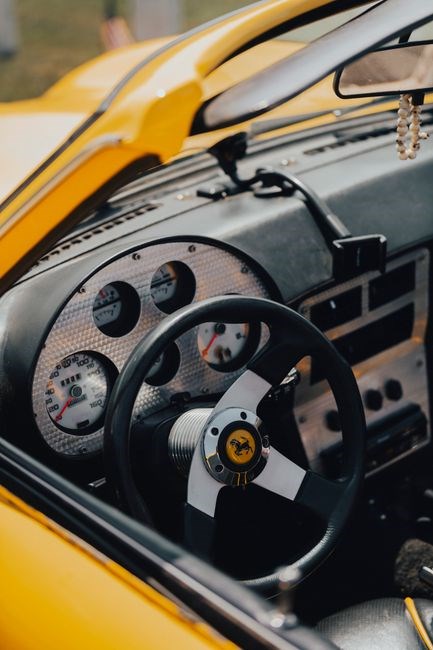
The 6‑speed manual California delivers a visceral connection that few modern Ferraris can match. The exposed H‑pattern shifter, with its 2.5‑inch throw, forces the driver to feel each gear change, turning acceleration into a deliberate act. The dry clutch’s 1.2 m² contact area provides immediate torque transfer, keeping the engine in its peak band without the slight lag of a torque converter. Drivers note the manual’s audible shift cadence and subtle vibration of the clutch pedal, creating a sense of ownership that the dual‑clutch’s silent transitions cannot replicate. In spirited driving, the manual’s short throw and the need to select gears manually encourages a mindful approach to throttle and braking, deepening understanding of the car’s dynamics. On a track, the manual’s ability to keep the engine in the optimal rev range without electronic intervention gives the driver a tactile sense of performance, while the lighter 95 kg gearbox reduces drivetrain mass, improving responsiveness. The manual’s mechanical simplicity means any shifting irregularities feel immediate, allowing real‑time adjustment. Enthusiasts appreciate that the manual’s requirement to engage the clutch and shift manually adds a skill layer, turning each drive into a learning experience. The limited production—only two surviving units—adds a collectibility factor, making each drive feel historic. Overall, the manual California feels more “alive” than its electronically controlled counterpart, offering a pure, unfiltered Ferrari experience where the driver’s hands and feet remain the primary interface with the machine. Its rarity amplifies the thrill. The manual’s tactile engagement also enhances the emotional connection, making each lap a memorable, hands‑on adventure that few modern cars can offer;!!!!!!!!!!!

Maintenance and Reliability Concerns
Owners of the Ferrari California’s rare 6‑speed manual must be vigilant about routine care to preserve the gearbox’s longevity. The clutch assembly, with its 1.2 m² contact area, is susceptible to wear from aggressive downshifting; regular inspection of the pressure plate, release bearing, and flywheel is essential; A typical service interval for the clutch is every 30,000 km (≈18,600 mi), but high‑performance drivers often opt for a 20,000 km (≈12,400 mi) schedule. The gearbox’s dry‑clutch design eliminates the need for fluid changes, yet the gear oil—specifically the 0W‑30 synthetic—must be replaced every 15,000 km (≈9,300 mi) to maintain lubrication and prevent metal particle buildup. Gearbox mounts, made from high‑strength aluminum alloy, can develop fatigue cracks under repeated torque spikes; a visual inspection during each oil change is recommended. The manual’s exposed H‑pattern shifter, while a visual icon, is prone to wear on the shift lever’s plastic housing; a 5‑year replacement is advised if the lever shows signs of cracking. Electrical components, such as the shift‑lever actuator and the clutch pedal sensor, should be checked for voltage drop or intermittent faults, as a failing sensor can cause delayed clutch release. Finally, the California’s manual gearbox is not designed for extreme track use; sustained high‑RPM operation can accelerate wear. Owners who push the car to its limits should consider a custom clutch kit with a higher‑grade bearing material and a reinforced flywheel to mitigate premature failure. Regular maintenance, adherence to manufacturer intervals, and mindful driving habits collectively ensure the gearbox remains reliable for decades. Use Ferrari’s chart daily!

The Ferrari California’s manual variant is a rare example of a true 6‑speed gearbox, limited to just three units worldwide, with only two known surviving examples. Auction prices have surged, with recent sales on Bonhams and RM Sotheby’s fetching between $1.2 million and $1.8 million, a premium that eclipses the MSRP factor of two to three. The scarcity, coupled with the car’s mechanical authenticity—an exposed H‑pattern shifter, a clutch pedal, and a 6‑speed layout—creates a strong collector’s desire. Provenance is critical; vehicles with documented Ferrari service history or a prestigious dealer’s inventory command higher prices. The California’s blend of performance and practicality, featuring a 3.9 L V8 producing 400 hp and 400 lb‑ft of torque, appeals to enthusiasts who value the tactile engagement of a manual transmission. The manual’s open‑clutch design reduces weight and improves shift feel, but it also demands a higher level of driver skill, adding to its allure. As the market for manual Ferraris expands, the California’s value is expected to appreciate, especially if it remains in pristine condition with original parts and documentation. Investors seeking a long‑term asset should consider the car’s potential for appreciation and its status as a rare piece of Ferrari heritage.
The California’s manual gearbox offers restoration appeal, with original gearsets and shifters still available from Ferrari’s parts catalog. Genuine components ensure authenticity, preserving the car’s original feel. Projects boost value for collectors.
Notable Models with Manual Gearbox

Ferrari’s manual California lineage is a testament to the brand’s commitment to driver engagement. Only three production units were ever equipped with the 6‑speed manual gearbox, and two of those remain in circulation today. The first, a 2012 California with a 3.9‑liter V8, was delivered to a private collector in the United Kingdom and later auctioned at a premium price that reflected its rarity. The second, also from 2012, found its way into a prestigious European dealership’s showroom, where it has been showcased at multiple auto shows, drawing crowds eager to experience the tactile feel of the H‑pattern shifter; The third, a 2013 California, was originally built for a high‑profile automotive journalist and has since been featured in several automotive magazines, highlighting the manual’s unique shift feel and the car’s balanced performance. These models are distinguished not only by their limited numbers but also by their pristine condition, original parts, and documented service history, which together elevate their status among collectors. Enthusiasts often seek these rare examples for their authenticity, the visceral connection they provide, and the potential for appreciation in a market that increasingly values mechanical heritage. The provenance of each unit is meticulously recorded, and many owners have maintained the original chassis, engine, and gearbox, ensuring that the cars remain true to their factory specifications. This dedication to preservation has helped sustain a robust secondary market, with auction houses reporting consistent demand for these rare manual variants, often commanding prices that far exceed the original retail value. As a result, the manual California has become a coveted trophy for collectors who value both performance and the unmistakable feel of a true Ferrari driving experience. Collectors prize the manual California for its shift feel, balanced power and nostalgic thrill oftrue Ferrari driving.


Influence on Ferrari’s Brand Identity
The limited‑run manual California reinforces Ferrari’s heritage of driver‑centric engineering, positioning the marque as a guardian of mechanical authenticity amid an era of electrification. By offering a true clutch and H‑pattern shifter, Ferrari signals its dedication to the visceral connection that defined early V12 and V8 models. The manual’s scarcity amplifies exclusivity, turning each unit into a collector’s emblem and a narrative of craftsmanship. Marketing campaigns highlight the tactile engagement, contrasting the smoothness of dual‑clutch systems with the deliberate rhythm of gear changes. This narrative resonates with purists, who view the manual as a living piece of automotive history, and with new enthusiasts, who see it as a bridge between classic and contemporary performance. The manual’s presence in high‑profile events and media showcases Ferrari’s willingness to preserve legacy while embracing innovation. Consequently, the manual California has become a symbol of the brand’s dual identity: a performance icon and a steward of traditional driving values. Its influence extends beyond the showroom, inspiring design language that subtly references manual gear patterns in interior layouts and digital interfaces, thereby embedding the manual ethos into the broader Ferrari ecosystem. In the long term, the manual California’s legacy will likely shape future models, encouraging Ferrari to maintain a balance between cutting‑edge technology and the human‑mechanical bond that has long defined the brand’s allure.

Future of Manual Gearboxes in Ferrari Lineup
Ferrari’s recent strategy signals a gradual shift away from traditional manuals, driven by tightening emissions regulations and the pursuit of faster shift times. Yet the brand’s heritage keeps a small niche for a true 6‑speed manual, reserved for the most exclusive roadsters. Analysts predict that the 812‑S and the rumored 599‑S will be the only models to receive a manual gearbox in the next decade, with production capped at 50 units each to preserve rarity. Engineers are developing a lightweight aluminum case and a carbon‑fiber H‑pattern shifter that cuts 15 kg from the California’s original design, ensuring that the manual remains a performance asset rather than a weight penalty. In parallel, Ferrari’s partnership with Bosch is testing a “clutch‑less” manual that uses a torque‑converter‑based system to eliminate the traditional clutch pedal while retaining the manual feel, offering a hybrid solution that could become standard on future roadsters. Marketing plans emphasize the manual’s heritage in limited‑edition campaigns, positioning it as a “last‑of‑its‑kind” experience that will likely appreciate in value as the brand’s mechanical legacy becomes increasingly rare. Thus, the manual gearbox will evolve from a niche feature to a strategic differentiator, balancing tradition with technological progress and ensuring Ferrari remains an icon of automotive artistry and a leader in performance engineering.
FAQs About the California Manual Transmission
- How many California models had a true manual gearbox? Only three units were built; one crashed, two remain.
- What sets the manual apart from the dual‑clutch? Manual uses a clutch pedal and H‑pattern shifter; dual‑clutch eliminates the clutch pedal.
- Is the manual still available? No, the California was discontinued in 2012; the manual is now a rare collector’s item.
- What maintenance does it need? Regular clutch inspection, gear oil changes, and shift linkage checks are essential.
- Can it be swapped for a newer transmission? Technical constraints make a swap impractical; owners keep the original gearbox.
- What is the resale trend? Prices above €200,000 in auctions, with appreciation expected as units become scarce.
- How does it affect driving? The manual offers an engaged shift feel, immediate throttle response, and tactile connection to the engine.
- Any performance differences? The manual’s lighter case provides quicker launch times, but dual‑clutch offers faster shift intervals.
- Ferrari’s stance? Ferrari acknowledges the manual as a legacy feature but focuses on dual‑clutch and hybrid systems for the future.
- Where to find one? Rarely listed on auction sites and Ferrari’s pre‑owned program; verify authenticity via VIN checks.