
red sea rules pdf
Red Sea Rules & Regulations: A Comprehensive Overview (as of 02/02/2026)
Recent updates, effective August 6, 2023, and October 19, 2023, alongside the EU’s January 29, 2024, crisis plan, necessitate a detailed understanding of current Red Sea navigation regulations for all vessels.
Navigating the Red Sea presents unique challenges and requires strict adherence to evolving regulations. As of February 2, 2026, vessels transiting this crucial waterway must be fully aware of the Saudi Red Sea Authority’s seven new navigation rules, issued August 6, 2023, taking effect after a 90-day period. These rules, alongside the European Union’s crisis management plan approved January 29, 2024, aim to protect shipping amidst increasing geopolitical complexities.
The Red Sea’s strategic importance, connecting the Indian Ocean to the Mediterranean Sea, makes it a vital artery for global trade. However, the Southern Red Sea and Gulf of Aden demand thorough ship and voyage-specific threat and risk assessments, as highlighted on October 2, 2024. Safe navigation necessitates considering speed and transit guidelines, ensuring they align with safe manoeuvring permits. Understanding these regulations is paramount for all operators, including those involved in the rapidly developing Saudi Arabian beach tourism sector.
Recent Regulatory Changes (August 6, 2023 & October 19, 2023)
Significant regulatory shifts occurred in late 2023 impacting Red Sea navigation. On August 6, 2023, the Saudi Red Sea Authority announced seven new navigation regulations, designed to enhance safety and security within Saudi territorial waters. These regulations came into effect 90 days following the announcement, necessitating immediate attention from all maritime stakeholders.
Further developments on October 19, 2023, highlighted specific considerations for vessels with historical ties to major league baseball teams – referencing Red Sox pitchers Lester, Buchholz, Matsuzaka, and Erod – illustrating the broad reach of information dissemination. More crucially, this period emphasized the need for heightened vigilance. Vessels were advised to consider transiting at full speed, but only when commensurate with safe navigation and valid permits. These changes reflect a proactive approach to managing risks in a region of increasing geopolitical significance, demanding continuous monitoring and adaptation by all operators.
Saudi Red Sea Authority Navigation Regulations
The Saudi Red Sea Authority’s recently implemented regulations, effective since late 2023, establish a comprehensive framework for maritime activity within Saudi Arabian waters. These rules prioritize safety, security, and environmental protection, impacting all vessel types, including yachts and larger marine vessels. A core tenet involves ensuring all tourist vessels operate through a designated tourist navigation agent.
This agent bears the responsibility of verifying comprehensive insurance coverage, specifically addressing all insurance obligations for yachts and marine craft. Furthermore, the Authority emphasizes the importance of thorough threat and risk assessments, particularly for passage through the Southern Red Sea and the Gulf of Aden – a recommendation reinforced by updates as recent as October 2, 2024. Compliance with these regulations is paramount, requiring diligent adherence to permit requirements and a commitment to safe maneuvering practices. These measures collectively aim to foster a secure and sustainable maritime environment.
European Union Crisis Management Plan (January 29, 2024)
On January 29, 2024, the Council of the European Union formally approved a one-year crisis management plan specifically designed to safeguard shipping interests within the Red Sea. This initiative responds to escalating regional instability and aims to ensure the continued flow of commerce through this vital maritime corridor. The plan’s core objectives center on bolstering maritime security, protecting European vessels, and supporting international efforts to de-escalate tensions.
While details remain partially confidential, the EU plan likely involves enhanced naval presence, increased intelligence gathering, and coordinated efforts with partner nations. It complements existing national and international security measures, providing an additional layer of protection for vessels transiting the region. This proactive approach underscores the EU’s commitment to maintaining freedom of navigation and mitigating the risks posed by potential disruptions to global trade. The plan’s success hinges on effective collaboration and a unified response to emerging threats.
Threat and Risk Assessments for Southern Red Sea & Gulf of Aden
As of October 2, 2024, vessels planning passage through the Southern Red Sea and the Gulf of Aden are strongly advised – and in many cases, required – to conduct comprehensive, ship- and voyage-specific threat and risk assessments. These assessments must move beyond generalized regional overviews and delve into the specific vulnerabilities of each vessel and its intended route. Factors to consider include vessel type, cargo, crew nationality, and prevailing security conditions.
The assessments should identify potential threats, including piracy, armed robbery, and the risk of attacks from hostile actors. Mitigation strategies, such as enhanced security measures, route optimization, and adherence to Best Management Practices (BMP), must be clearly defined and implemented. Thorough documentation of the assessment process and findings is crucial for demonstrating due diligence and ensuring compliance with international regulations. Ignoring this requirement could lead to delays, detentions, or increased insurance premiums.
Safe Navigation & Manoeuvring Considerations
Maintaining safe navigation is paramount within the Red Sea, demanding meticulous planning and execution. Vessels are encouraged to consider transiting at full speed, but only when commensurate with safe manoeuvring and in accordance with any issued permits. Careful consideration must be given to potential navigational hazards, including congested waterways, shallow depths, and the presence of other vessels.
Effective bridge resource management, including clear communication and adherence to established procedures, is essential. Crews should be fully briefed on potential threats and emergency response protocols. Maintaining a vigilant watch and utilizing all available navigational aids, such as radar and AIS, are critical. Furthermore, operators must be prepared to adjust speed and course as needed to avoid collisions and ensure the safety of the vessel and its crew. Proactive planning and adherence to best practices are key to mitigating risks.
Speed and Transit Guidelines
Transit speed through the Southern Red Sea and Gulf of Aden requires careful evaluation, balancing efficiency with safety and security considerations. While maintaining speed can reduce exposure time within high-risk areas, it must always be commensurate with the ability to manoeuvre effectively and avoid potential threats. Vessels are advised to assess their specific capabilities and the prevailing conditions before determining an appropriate speed.
Operators should consider factors such as vessel size, draft, weather conditions, and traffic density. A thorough voyage-specific threat and risk assessment, conducted prior to entry, is crucial for informing speed and routing decisions. Maintaining a safe speed allows for timely responses to unexpected events or security incidents. Adherence to these guidelines, alongside compliance with all applicable regulations, is essential for ensuring a secure and efficient transit through these vital waterways; Prioritize safety above all else.
Insurance Requirements for Yachts & Marine Vessels (5.6 & 5.7)
Compliance with comprehensive insurance coverage is paramount for all yachts and marine vessels operating within the Red Sea. Specifically, sections 5.6 and 5.7 of the Saudi Red Sea Authority regulations mandate that tourist navigation agents verify the existence of valid insurance policies. These policies must fully cover all insurance obligations, providing adequate protection against potential liabilities and risks encountered during navigation.
The required insurance must extend to various scenarios, including but not limited to, collisions, grounding, damage to property, personal injury, and environmental pollution. Agents bear the responsibility of ensuring that the insurance coverage is current and sufficient for the intended voyage. Failure to comply with these insurance requirements may result in denial of entry or operational restrictions within the Red Sea. Thorough documentation and verification are essential for demonstrating adherence to these critical safety and regulatory standards.
Saudi Arabia’s Evolving Beach Tourism Regulations
Saudi Arabia is undergoing a significant transformation in its approach to beach tourism, rapidly reshaping its coastline and visitor experiences. Recent, bold moves indicate a commitment to attracting international tourists while simultaneously upholding cultural sensitivities and environmental sustainability. These evolving regulations impact access, activities, and operational guidelines for vessels supporting tourism along the Red Sea.
The changes encompass a broader liberalization of beach access, alongside new rules governing water sports, recreational activities, and the operation of tourist vessels. Understanding these shifts is crucial for yacht owners, marine operators, and tourists alike. The Saudi Red Sea Authority is actively implementing these changes, emphasizing responsible tourism practices and adherence to local laws. Staying informed about the latest updates is vital for ensuring a smooth and compliant experience within this dynamic and increasingly popular destination.

The Red Sea Region: Geopolitical Significance
The Red Sea region is experiencing a heightened level of geopolitical competition, becoming a focal point in the global struggle for influence and control. Encompassing Egypt, Eritrea, Djibouti, Sudan, and Saudi Arabia, this strategically vital area connects key trade routes between Europe, Asia, and Africa, making it crucial for international commerce and energy security.
Recent regulatory changes and increased naval presence reflect the growing importance of safeguarding maritime traffic and protecting national interests. The region’s stability is directly linked to global economic flows, and disruptions – whether from piracy, political instability, or conflict – can have far-reaching consequences. Understanding this complex geopolitical landscape is essential for navigating the Red Sea safely and responsibly, as it directly influences security protocols, risk assessments, and compliance requirements for all vessels operating in the area.
Impact of Regulatory Changes on Shipping
The recent wave of regulatory changes significantly impacts shipping operations in the Red Sea. The seven new Saudi Red Sea Authority regulations, issued August 6, 2023, and taking effect after a 90-day period, necessitate thorough review and adaptation by all maritime stakeholders. Coupled with the EU’s crisis management plan approved January 29, 2024, vessels must now adhere to heightened security protocols and demonstrate robust risk mitigation strategies.
These changes demand comprehensive ship and voyage-specific threat and risk assessments, particularly when transiting the Southern Red Sea and Gulf of Aden. Compliance with updated insurance requirements (sections 5.6 & 5.7) is paramount, ensuring adequate coverage for all potential liabilities. Furthermore, operators must stay abreast of evolving Saudi Arabian beach tourism regulations, as these can influence access and operational parameters. Proactive adaptation to these changes is crucial for maintaining safe, secure, and compliant passage through this vital waterway.
Cyberpunk 2077 & Red Sea Discussions (Online Forum Context)
Interestingly, discussions surrounding the Red Sea and its evolving regulations have permeated even unexpected online spaces. Fan forums dedicated to the role-playing video game Cyberpunk 2077, developed by CD Projekt RED, have seen threads emerge referencing the geopolitical significance of the region. While seemingly unrelated, these discussions highlight a broader public awareness of the Red Sea’s importance in global trade and security.
Users have speculated on how real-world events, like increased maritime security measures and regulatory shifts, could inspire future game content or narrative elements. The conversation extends beyond the game itself, with forum members sharing news articles and analyses of the EU’s crisis management plan and Saudi Arabia’s changing tourism policies. This demonstrates a unique intersection of gaming culture and current geopolitical affairs, showcasing how complex global issues are being processed and debated within online communities.
Role of Connective Tissue in Red Sea Operations (RBNY Example)

The concept of “connective tissue,” as exemplified by the New York Red Bulls (RBNY) organization, offers a compelling analogy for navigating the complex web of regulations governing Red Sea operations. Within RBNY, individuals facilitate communication and coordination between the first team, second team, and the Academy, ensuring a cohesive operational flow.

Similarly, effective Red Sea navigation requires strong “connective tissue” – a network of skilled professionals, robust communication channels, and seamless information sharing between shipping companies, regulatory bodies like the Saudi Red Sea Authority, and international crisis management teams. This includes ensuring compliance with evolving rules, understanding insurance obligations (5.6 & 5.7), and adapting to geopolitical shifts. Just as RBNY’s front office fosters team effort, successful Red Sea transit demands collaborative intelligence and a proactive approach to risk assessment, mirroring the need for a unified operational strategy.
Navigational Permits and Authorization
Securing the necessary navigational permits and authorizations is paramount for any vessel transiting the Red Sea. The Saudi Red Sea Authority’s recent issuance of seven new regulations (August 6, 2023) underscores the increasing scrutiny of vessel traffic and the importance of proactive compliance.
Transit permits are likely required, and operators must demonstrate adherence to all applicable regulations, including those pertaining to safe navigation and manoeuvring. Consideration should be given to speed guidelines, ensuring transit speed is commensurate with safe operational parameters. Thorough ship and voyage-specific threat and risk assessments (October 2, 2024) are crucial components of the authorization process. Furthermore, tourist vessels face specific regulatory requirements, necessitating engagement with a designated tourist navigation agent to confirm valid insurance coverage (5.6 & 5.7) and adherence to evolving beach tourism regulations within Saudi Arabia. Failure to obtain proper authorization can result in significant delays or denial of access.
Compliance with International Maritime Law
Adherence to international maritime law forms the bedrock of safe and legal navigation within the Red Sea. This includes, but isn’t limited to, the International Convention for the Safety of Life at Sea (SOLAS), the International Convention for the Prevention of Pollution from Ships (MARPOL), and the International Regulations for Preventing Collisions at Sea (COLREGs).

Recent regulatory changes implemented by the Saudi Red Sea Authority (August 6, 2023) and the EU’s crisis management plan (January 29, 2024) operate within this framework, adding layers of specific regional requirements. Vessels must demonstrate compliance with all relevant flag state regulations and international conventions. Thorough threat and risk assessments (October 2, 2024) are essential for demonstrating due diligence. Operators should be aware of potential geopolitical sensitivities within the region, impacting operational considerations. Maintaining up-to-date knowledge of evolving regulations and ensuring crew familiarity with international maritime law are critical for avoiding penalties and ensuring safe passage.
Specific Regulations for Tourist Vessels

Tourist vessels operating in the Red Sea are subject to a distinct set of regulations, primarily overseen by the Saudi Red Sea Authority. These regulations, detailed in sections 5.6 and 5.7, mandate comprehensive insurance coverage encompassing all potential liabilities. Tourist navigation agents bear the responsibility of verifying valid insurance for all yachts and marine vessels under their management.
Saudi Arabia’s evolving beach tourism regulations are significantly impacting tourist vessel operations, requiring adherence to new guidelines regarding access and permitted activities. Vessels must comply with all Saudi Arabian regulations concerning environmental protection and passenger safety. Furthermore, operators need to be cognizant of the broader geopolitical context and potential security risks, conducting thorough voyage-specific threat assessments. Compliance with international maritime law remains paramount, alongside these specific regional requirements, ensuring a safe and legally sound experience for all tourists.
Insurance Coverage Details & Obligations
Comprehensive insurance is a non-negotiable requirement for all yachts and marine vessels navigating the Red Sea, particularly emphasized within Saudi Red Sea Authority regulations (sections 5.6 & 5.7). Coverage must extend to encompass all potential insurance obligations, safeguarding against a wide range of risks inherent in the region. This includes, but isn’t limited to, liability for passenger injury, environmental damage, and vessel loss or damage.

Tourist navigation agents are legally obligated to ensure that all vessels under their purview maintain valid and adequate insurance throughout their operational period. Vessels transiting the Southern Red Sea and Gulf of Aden, areas with heightened security concerns, may require specialized war risk insurance. Operators should meticulously review policy terms and conditions to confirm sufficient coverage for the specific voyage and potential hazards. Failure to comply with these insurance requirements can result in significant penalties and operational restrictions.
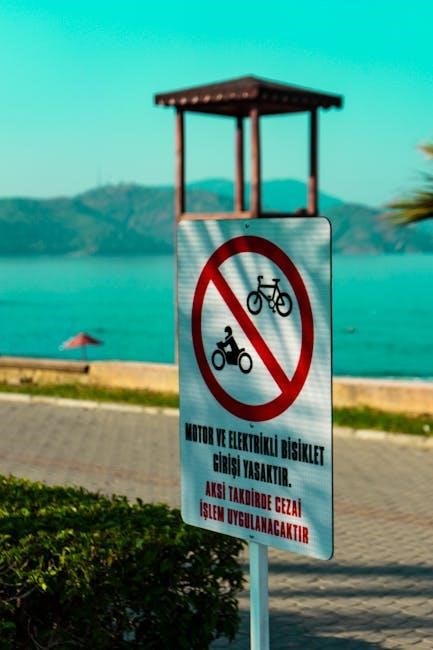
Updates on Saudi Arabian Beach Tourism
Saudi Arabia is undergoing a rapid transformation of its coastline, significantly impacting beach tourism regulations. Recent, bold initiatives are reshaping the shoreline, attracting increased international visitors and necessitating updated guidelines for marine operations and recreational activities. These changes aim to balance economic growth with environmental preservation and cultural sensitivity.

New regulations focus on sustainable tourism practices, including restrictions on certain water sports in ecologically sensitive areas and stricter enforcement of waste management protocols. Tourist vessels are subject to enhanced safety inspections and adherence to designated anchorage zones. The Saudi Red Sea Authority continues to refine navigation rules to accommodate the growing influx of tourist traffic while maintaining maritime security. Visitors should stay informed about the latest updates, as regulations are evolving quickly to support this ambitious tourism development.
Expert Perspectives: Federico Donelli & International Studies
Federico Donelli, affiliated with prominent institutions like ISPI and NAI, offers valuable insights into the Red Sea’s geopolitical significance and evolving regulatory landscape. His research highlights the increasing competition for global influence manifesting prominently within this crucial maritime region, encompassing Egypt, Eritrea, Djibouti, Sudan, and Saudi Arabia.
International studies emphasize the Red Sea’s strategic importance as a vital trade route and a focal point for regional security concerns. Donelli’s analysis suggests that the recent regulatory changes aren’t isolated events but rather components of a broader strategy to assert control and manage escalating risks. These regulations, coupled with the EU’s crisis management plan, reflect a concerted effort to stabilize the region and protect shipping interests. Understanding these dynamics requires a multidisciplinary approach, integrating political science, maritime law, and security studies.
Future Outlook for Red Sea Regulations
The Red Sea’s regulatory environment is poised for continued evolution, driven by persistent geopolitical tensions and the ongoing need to balance security with the facilitation of global trade. Expect increased scrutiny regarding vessel tracking, enhanced enforcement of insurance requirements (sections 5.6 & 5.7), and potentially, more stringent permit processes for transit.

Saudi Arabia’s ambitious beach tourism development will likely necessitate further adjustments to regulations governing tourist vessels, prioritizing safety and environmental protection. The success of the EU’s crisis management plan will influence future collaborative efforts to safeguard shipping lanes. Proactive risk and threat assessments (as of October 2, 2024) will become standard practice, demanding robust cybersecurity measures and heightened vigilance against emerging threats. Ultimately, a dynamic and adaptive regulatory framework will be crucial for navigating the Red Sea’s complex future.