
manual scaler
Manual scalers are time-honored, hand-operated dental instruments, utilized for decades to meticulously remove plaque and tartar from tooth surfaces with precision.
What is a Manual Scaler?
A manual scaler represents a traditional dental instrument, skillfully operated by hand, designed for the precise removal of calculus and plaque from tooth surfaces. Unlike powered alternatives, it relies entirely on the clinician’s dexterity and tactile feedback. These instruments allow dentists and hygienists to “feel” irregularities and deposits, ensuring thorough cleaning.
They are specifically designed to scrape away accumulated tartar, offering a controlled approach. The effectiveness hinges on the user’s ability to detect surface changes, a capability diminished with ultrasonic scalers due to vibrations.
Historical Use of Manual Scaling
Manual scaling boasts a rich history in dentistry, predating modern ultrasonic technologies by decades. For generations, these hand-operated instruments were the primary method for removing calculus and maintaining oral health. Dentists and hygienists honed their skills, relying on tactile sensitivity and precise movements to achieve optimal results.
Before the advent of power-driven tools, manual scaling represented the gold standard, demanding considerable skill and patience. Its enduring legacy reflects its proven effectiveness and continued relevance in contemporary dental practice.
Components of a Manual Scaler
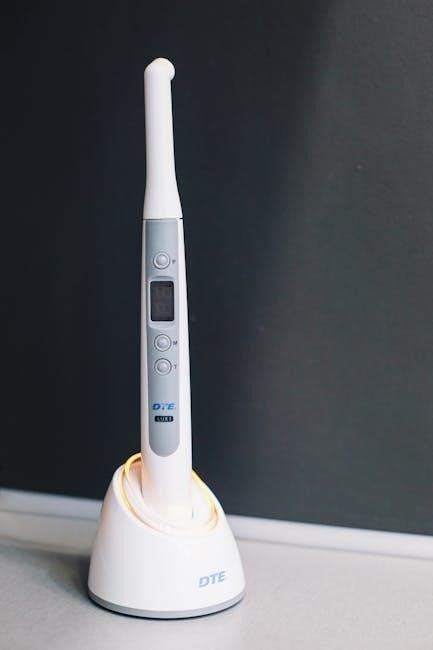
Manual scalers fundamentally comprise a blade for calculus removal, a handle designed for ergonomic grip, and a shank dictating length and angulation for access.
The Blade and its Variations
The blade is the working end of a manual scaler, crucial for removing deposits. Variations include sickle, hoe, chisel, and file shapes, each designed for specific tasks and tooth surfaces. Sickle scalers possess triangular blades for curved areas, while hoe scalers have a blade bent at an angle for broader surfaces. Chisel scalers feature a straight cutting edge for heavy calculus, and file scalers are utilized for smoothing root surfaces. Blade geometry impacts efficiency and precision, demanding clinicians select the appropriate type for optimal calculus removal and minimal tissue trauma.
Handle Design and Ergonomics
Handle design significantly impacts clinician comfort and control during manual scaling. Ergonomic handles, often featuring cushioned grips, reduce hand fatigue during prolonged procedures. Variations in diameter and shape accommodate different hand sizes and grasping preferences. A well-designed handle promotes a relaxed grip, minimizing muscle strain and maximizing tactile feedback. Proper ergonomics are vital for maintaining precision and preventing repetitive stress injuries. The handle’s material also influences grip security, especially when wet, ensuring effective and safe calculus removal.
Shank Length and Angulation
Shank length and angulation are crucial for accessing different tooth surfaces effectively. Shorter shanks are ideal for anterior teeth and tight spaces, while longer shanks reach posterior regions more easily. Angulation – the curve of the shank – determines the instrument’s adaptation to tooth contours. Various angulations exist to target specific areas, like supra-gingival or sub-gingival calculus. Clinicians select shanks based on tooth anatomy and deposit location, ensuring optimal access and efficient removal without damaging surrounding tissues;

How Manual Scalers Work
Manual scalers rely on tactile sensitivity; the clinician feels for irregularities and calculus. A scraping action mechanically removes deposits, aided by water spray.
Tactile Sensitivity and its Importance
Tactile sensitivity is paramount when utilizing manual scalers, representing a core difference from ultrasonic methods. The clinician depends on the instrument’s tip to detect tooth surfaces and deposits through feel, as visibility below the gumline is limited. This heightened sense allows for precise identification of irregularities and calculus needing removal.
Unlike the high-frequency vibrations of ultrasonic scalers which diminish tactile feedback, manual scaling provides a direct connection. This nuanced feedback enables clinicians to modulate pressure and angulation, ensuring effective and safe calculus removal while minimizing potential damage to the tooth structure.
The Scraping Action: Mechanics of Calculus Removal
Manual scaling employs a deliberate scraping action to disrupt and detach calculus from tooth surfaces; The sharp blade, angled correctly, concentrates force onto the deposit. This mechanical force overcomes the adhesion between the calculus and enamel or cementum, effectively fracturing and removing it.
The clinician’s controlled movements, combined with appropriate pressure, are crucial. This process isn’t simply “scraping”; it’s a precise application of force, guided by tactile feedback, to break the bond of the hardened plaque without causing undue trauma to the underlying tooth structure.
Role of Water Spray During Manual Scaling
While manual scaling doesn’t inherently require water like ultrasonic instruments, its use is highly beneficial. A continuous stream of water serves several key purposes. It cools the handpiece and tooth surface, minimizing discomfort for the patient. More importantly, it flushes away debris – the fractured calculus and loosened plaque – improving visibility and access.
The water spray also helps to lubricate the scaling tip, reducing friction and enhancing the efficiency of the scraping action. Maintaining a clear operating field is paramount for thorough and precise calculus removal during the procedure.
Types of Manual Scalers
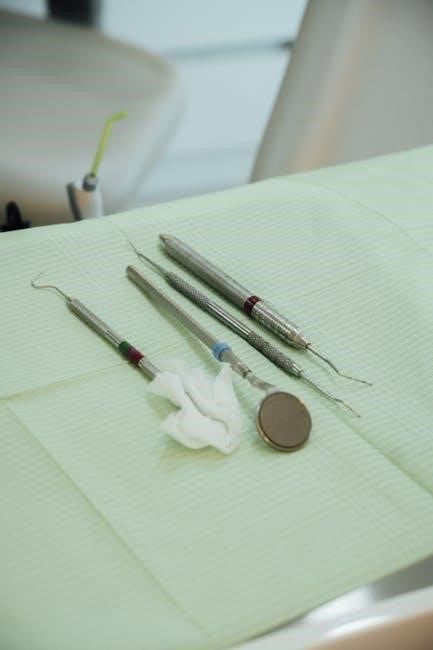
Manual scalers encompass sickle, hoe, chisel, and file designs, each uniquely shaped for specific tasks – from initial calculus removal to root smoothing.
Sickle Scalers: Design and Application
Sickle scalers feature distinctive sickle-shaped blades, acutely pointed and designed for accessing supragingival and select subgingival areas. Their triangular cross-section efficiently cuts through calculus deposits. These instruments are particularly effective for removing moderate to heavy calculus accumulations on anterior teeth and premolars. Clinicians employ a pull stroke motion, adapting the blade to the tooth’s curvature. Proper angulation is crucial for preventing tissue trauma and maximizing calculus removal. Variations exist with different blade lengths and curvatures to accommodate diverse anatomical contours, ensuring thorough cleaning and a polished surface;
Hoe Scalers: Uses and Techniques
Hoe scalers, characterized by their blade shape resembling a hoe, excel at removing heavy supragingival calculus from anterior teeth. Their broad, flat blade allows for efficient removal of large deposits. The technique involves using short, controlled strokes, angling the blade to conform to the tooth surface. Clinicians often utilize a push-pull motion, ensuring complete calculus disruption. Hoe scalers are particularly useful on proximal surfaces where access is relatively straightforward. Careful adaptation and pressure control are vital to avoid damaging enamel or irritating gingival tissues during the scaling process.
Chisel Scalers: For Heavy Calculus
Chisel scalers are specifically designed for removing substantial, tenacious calculus deposits, particularly on proximal surfaces. Featuring a beveled, chisel-shaped blade, these instruments effectively break down hardened deposits. The technique involves directing the blade at a 45-90 degree angle to the tooth, employing controlled tapping or chopping motions. Clinicians must exercise caution to prevent enamel damage or soft tissue trauma. Chisel scalers are best suited for areas with ample access and significant calculus buildup, requiring precise angulation and force application.
File Scalers: Smoothing Root Surfaces
File scalers possess a unique design – a series of cross-cut files – intended for smoothing root surfaces after calculus removal. Unlike cutting edges, these instruments utilize a rasping motion to eliminate residual cementum and create a smooth, clean surface conducive to periodontal healing. Employed with light, overlapping strokes, file scalers are crucial in root planing procedures. Careful technique prevents gouging or damage to the root structure, promoting optimal tissue attachment and reducing bacterial colonization.
Manual Scaling vs. Ultrasonic Scaling
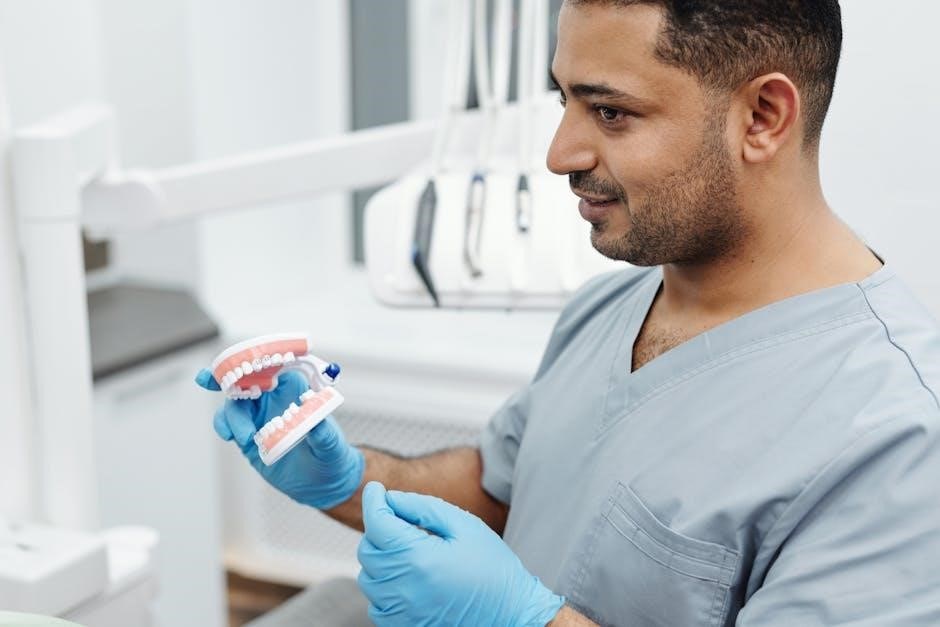
Manual scaling offers superior tactile feedback, enabling clinicians to feel surface irregularities and calculus directly, a sensation diminished or absent with ultrasonic scalers.
Tactile Feedback: A Key Difference
Tactile sensitivity is paramount in manual scaling; the clinician relies on feeling the instrument’s tip against the tooth surface and any deposits present. This allows for precise identification and removal of calculus. Unlike ultrasonic scalers, which utilize high-frequency vibrations, manual instruments provide a direct connection, enabling nuanced detection of irregularities.
The absence of strong vibrations means clinicians can discern subtle changes in texture, confirming the presence of deposits and avoiding unnecessary removal of healthy tooth structure. This heightened sense of touch is a cornerstone of effective and conservative manual scaling techniques, ensuring optimal patient care.
Speed and Efficiency Comparison
Manual scaling, while precise, is generally a more time-consuming process compared to ultrasonic scaling. Because it relies on deliberate hand movements to scrape away plaque and tartar, it cannot be performed as quickly. Ultrasonic scalers, with their high-frequency vibrations, offer a faster approach to deposit removal, covering larger areas in less time.
However, efficiency isn’t solely about speed. Manual scaling’s control and tactile feedback can prevent over-removal of tooth structure, potentially saving restorative work later. The choice depends on individual patient needs and clinical circumstances.
Effectiveness on Different Types of Deposits
Manual scalers excel at removing tenacious, heavy calculus deposits, particularly in areas requiring focused pressure and control. Their sharp blades effectively break down hardened tartar, allowing for thorough removal. However, they may be less efficient on very light or diffuse deposits compared to ultrasonic scalers.
The tactile sensitivity offered by manual instruments allows clinicians to discern subtle variations in deposit texture and adhesion, optimizing removal techniques. This precision is valuable for addressing specific deposit types and maintaining tooth structure integrity.
The Manual Scaling Procedure
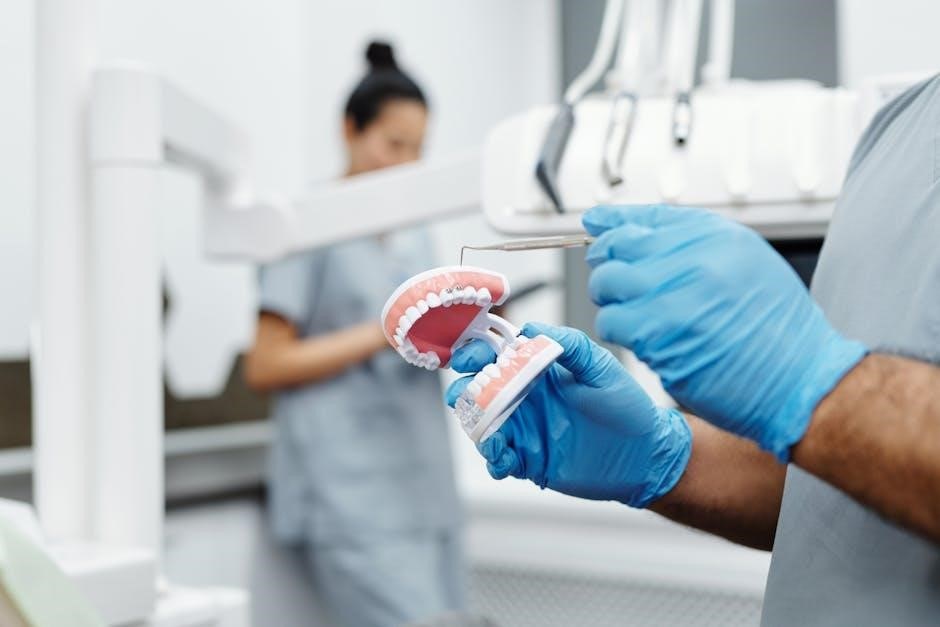
Manual scaling involves precise angulation and controlled pressure, utilizing tactile feedback to detect and remove deposits effectively, followed by root planing for smoothness.
Patient Positioning and Preparation
Prior to initiating manual scaling, optimal patient positioning is crucial for both clinician comfort and effective access. Typically, the patient is reclined in a dental chair, ensuring proper head and neck support. Adequate lighting and visibility are paramount, often achieved with an overhead dental light and potentially supplemental illumination.
A thorough oral examination precedes scaling to assess the extent of calculus and identify any areas of inflammation or sensitivity. Prophylactic measures, like a pre-scaling rinse, may be employed to reduce bacterial load. Isolation with a rubber dam is sometimes utilized, particularly for subgingival scaling, to maintain a dry field and prevent aspiration.
Scaling Technique: Angulation and Pressure
Effective manual scaling relies heavily on precise angulation and controlled pressure. The scaler blade is typically angled at 45-90 degrees to the tooth surface, adapting to the anatomy of the root. A pull stroke, directed towards the crown, is commonly employed to disrupt and remove calculus.
Applying firm, yet gentle, pressure is essential – enough to engage the calculus without causing trauma to the tooth structure or gingival tissues. Overly aggressive force can lead to sensitivity or damage. Tactile feedback guides the clinician, allowing them to ‘feel’ the calculus being removed.
Root Planing with Manual Scalers
Root planing, following scaling, aims to smooth the root surface, removing residual calculus and contaminated cementum. Manual scalers facilitate this by allowing precise adaptation to root irregularities. Overlapping, angled strokes are utilized, ensuring complete coverage of the root surface.
The goal isn’t simply removal, but creating a smooth, clean surface that promotes healing and prevents future bacterial adhesion. Tactile sensitivity is crucial, guiding the clinician to identify and eliminate any remaining roughness. Proper angulation minimizes damage to the root.
Advantages of Manual Scaling
Manual scaling offers exceptional precision and control, minimizing the risk of damage to tooth structure, and proving suitable for patients with heightened sensitivity.
Precision and Control
Manual scalers excel in providing clinicians with a remarkable degree of precision and control during periodontal procedures. Unlike ultrasonic instruments, the hand-operated nature allows for focused application of force, enabling careful navigation around delicate oral tissues.
This tactile sensitivity is crucial for detecting subtle surface irregularities and accurately removing calculus without inadvertently harming the tooth enamel or gingiva. The clinician directly feels the instrument’s interaction with the tooth, fostering a heightened level of control and minimizing the potential for iatrogenic damage.
Reduced Risk of Damage to Tooth Structure
Manual scaling inherently presents a lower risk of damage to the tooth structure compared to powered instrumentation. The clinician’s direct tactile feedback allows for nuanced control over pressure and angulation, preventing excessive force application.
This careful approach minimizes the potential for enamel loss or root surface abrasion, particularly crucial in areas with thin enamel or exposed root surfaces. The deliberate, controlled scraping action of a manual scaler prioritizes preservation of tooth integrity during calculus removal.
Suitability for Sensitive Patients
Manual scaling often proves more comfortable for patients experiencing tooth sensitivity. The gentle, controlled technique minimizes trauma to the gums and exposed dentin, reducing discomfort during the procedure.
Unlike ultrasonic scalers, manual instruments don’t generate heat or high-frequency vibrations that can exacerbate sensitivity. This makes them a preferable option for individuals with sensitive teeth, gingival recession, or those prone to discomfort during dental treatments, ensuring a more pleasant experience.
Disadvantages of Manual Scaling
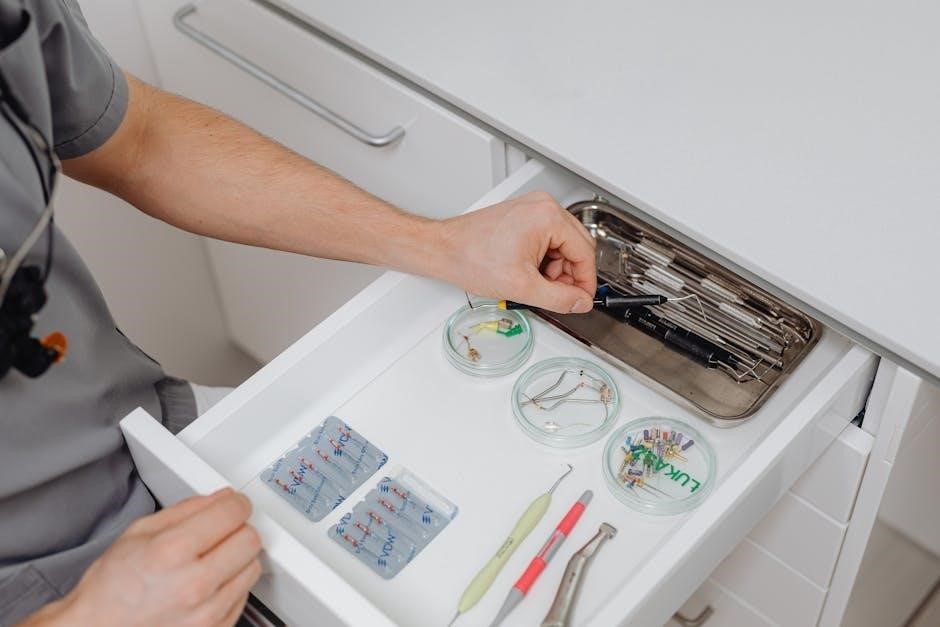
Manual scaling is notably time-consuming and physically demanding for clinicians, with limited access to certain areas compared to ultrasonic alternatives.
Time Consumption
Manual scaling inherently requires significantly more chair time than ultrasonic scaling procedures. Because it’s a hands-on process, meticulously scraping away plaque and tartar, each tooth surface demands individual attention. This deliberate approach, while offering precision, translates to longer appointments for patients.
The thoroughness needed to achieve optimal results simply cannot be matched by the speed of powered instruments. Consequently, clinicians must allocate ample time for comprehensive manual scaling, potentially impacting appointment scheduling and patient throughput within a dental practice.
Physical Demands on the Clinician
Manual scaling is a physically demanding procedure for dental professionals. Maintaining proper posture and utilizing precise hand movements for extended periods can lead to muscle fatigue, particularly in the hands, wrists, and back.
The repetitive scraping motions, combined with the force required to remove calculus, necessitate significant physical stamina and strength. Ergonomic handle designs can mitigate some strain, but the inherent physical exertion remains a considerable challenge for clinicians performing manual scaling regularly.
Limited Access in Certain Areas
Manual scalers, while precise, can encounter limitations accessing certain areas of the mouth effectively. Deep pockets, crowded teeth, and anatomical variations like furcations can hinder instrument placement and maneuverability.
Reaching distal surfaces of molars or areas beneath the gingival margin can be particularly challenging. Compared to ultrasonic scalers with their slender tips, manual instruments may struggle to navigate tight spaces, potentially leaving residual calculus in hard-to-reach locations.
Infection Control with Manual Scalers
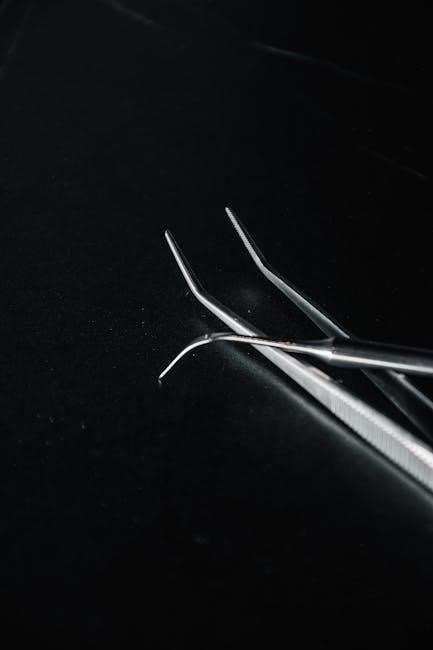
Sterilization procedures are crucial for manual scalers, alongside diligent sharpening and proper handling, ensuring patient safety and preventing cross-contamination.
Sterilization Procedures
Rigorous sterilization is paramount when utilizing manual scalers to eliminate potential pathogens and ensure patient well-being. Following each patient encounter, instruments must undergo thorough cleaning to remove debris and biological contaminants.
Subsequently, autoclaving – utilizing high-pressure steam – is the gold standard for sterilization, effectively killing bacteria, viruses, and spores. Chemical sterilization methods can be employed for heat-sensitive components, but must be carefully validated.
Proper packaging and storage post-sterilization are also vital to maintain sterility until the instrument is ready for reuse, preventing recontamination and upholding infection control protocols.
Sharpening and Maintenance
Regular sharpening is crucial for maintaining the effectiveness of manual scalers, ensuring clean, precise calculus removal. Dull instruments require increased pressure, potentially damaging tooth structure and reducing clinician efficiency.
Sharpening involves using specialized sharpening stones or systems to restore the blade’s cutting edge to the correct angle. Proper technique is essential to avoid altering the scaler’s design.
Routine maintenance includes inspecting instruments for damage like bends or cracks, and addressing any issues promptly to prevent breakage and maintain optimal performance.
Proper Handling and Storage
Safe handling of manual scalers is paramount to prevent injuries and maintain instrument integrity. Clinicians should utilize a firm, controlled grip and avoid dropping instruments. Careful passing techniques are also essential within a dental team.
Appropriate storage protects scalers from damage and contamination. Instruments should be stored in designated containers, separated to prevent blade dulling.
Following sterilization, instruments must be stored in a clean, dry environment to maintain sterility and prevent corrosion, ensuring longevity and patient safety.
Contraindications for Manual Scaling
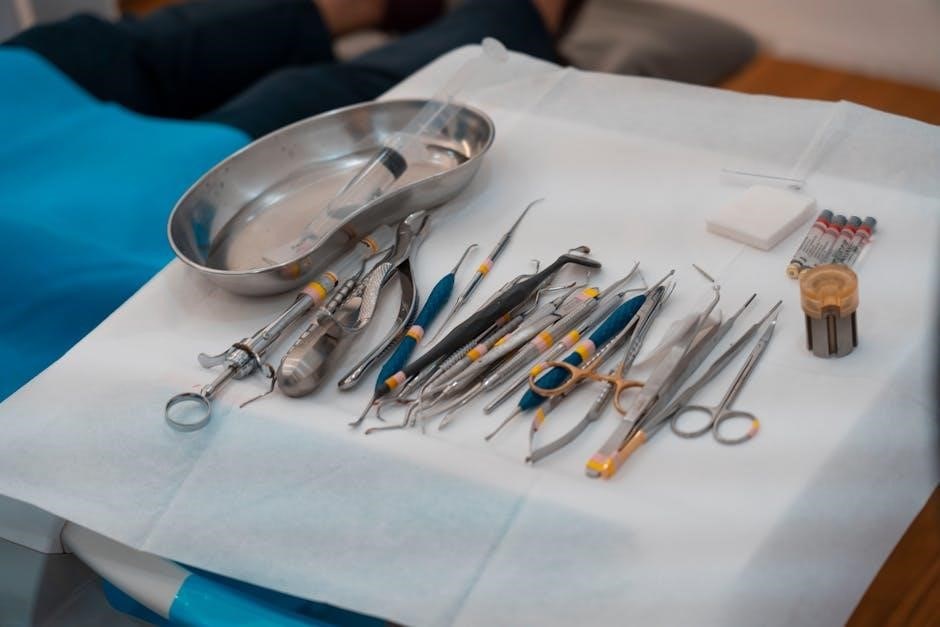
Manual scaling should be avoided in patients with specific medical conditions, acute inflammation, or loose teeth, prioritizing their overall health and safety.
Patients with Certain Medical Conditions
Manual scaling presents contraindications for individuals with specific health concerns. Patients with bleeding disorders, like hemophilia or thrombocytopenia, require careful consideration due to increased bleeding risk during procedures. Those undergoing anticoagulant therapy also necessitate caution.
Furthermore, individuals with active infectious diseases, such as endocarditis or acute viral infections, may not be suitable candidates. Compromised immune systems heighten infection risks. Patients with uncompensated diabetes or certain cardiovascular conditions may also warrant alternative approaches or medical clearance before undergoing manual scaling to ensure their well-being.
Areas of Acute Inflammation
Manual scaling is generally contraindicated in areas exhibiting acute inflammation, such as those affected by mucositis or gingivitis. Aggressive instrumentation can exacerbate inflammation, causing increased discomfort and potentially leading to further tissue damage. Scaling inflamed tissues can induce bleeding and disrupt the natural healing process.
Prior to scaling, addressing the acute inflammatory response is crucial. This may involve initial treatment with antimicrobial rinses or localized delivery of anti-inflammatory agents to stabilize the tissues before any mechanical debridement is attempted, ensuring patient comfort and optimal outcomes.
Presence of Loose Teeth
Manual scaling should be approached with extreme caution, or avoided altogether, when teeth exhibit mobility. The forces applied during scaling, even with careful technique, can potentially exacerbate looseness and risk further damage to the periodontal ligament. Instrumentation may inadvertently contribute to increased tooth migration.
Stabilizing the teeth through other means, such as splinting, should precede any scaling efforts. A thorough assessment of the underlying cause of mobility is essential before considering any debridement, prioritizing preservation of attachment and preventing further complications.
The Future of Manual Scaling
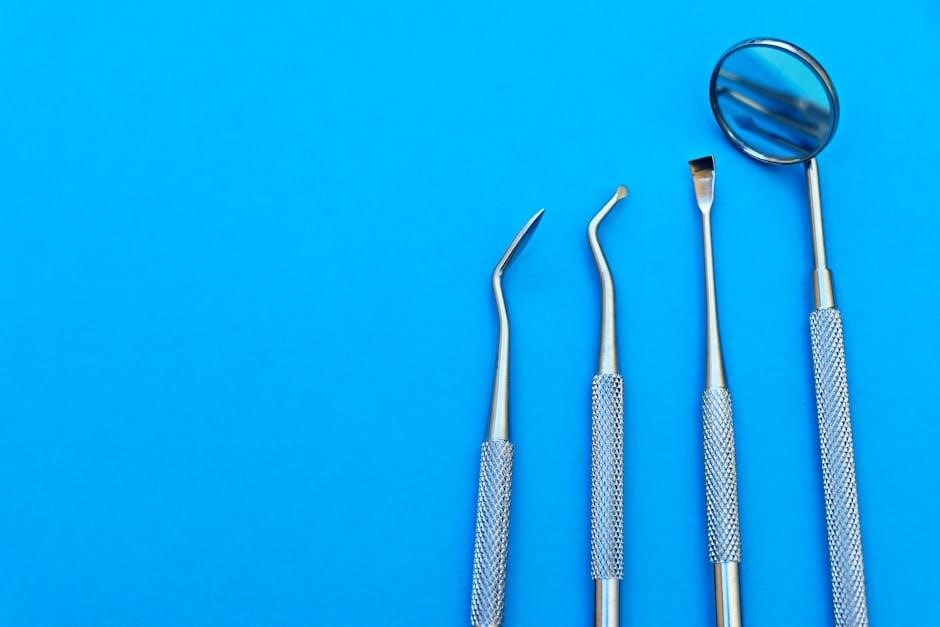
Manual scaling will likely integrate with modern practices, demanding continuous skill development and remaining vital in specialized procedures requiring tactile precision.
Integration with Modern Dental Practices
Despite advancements in ultrasonic technology, manual scaling retains a crucial role within contemporary dental workflows. Its unique ability to provide exceptional tactile feedback ensures clinicians can precisely navigate complex root anatomies and detect subtle calculus deposits often missed by powered instruments.
Furthermore, during periods like the recent pandemic, where aerosol-generating procedures were restricted, manual scaling offered a safe and effective alternative for periodontal therapy. This adaptability highlights its enduring relevance. Expect to see continued emphasis on refined techniques and combined approaches, leveraging the strengths of both manual and ultrasonic methods for optimal patient care.
Continuing Education and Skill Development
Mastering manual scaling demands dedicated, ongoing training beyond initial dental education. Clinicians must refine their tactile sensitivity – the ability to ‘feel’ calculus and root irregularities – a skill diminished with ultrasonic scalers.
Advanced courses should focus on proper angulation, pressure control, and root planing techniques. Sharpening proficiency is also vital for maintaining instrument effectiveness. Consistent practice and mentorship are essential to uphold competency and deliver consistently high-quality, conservative periodontal care, ensuring optimal patient outcomes.
Role in Specialized Procedures
Despite advancements in ultrasonic technology, manual scalers retain a crucial role in specialized periodontal procedures. They excel in delicate areas, like furcations and around implants, where precision is paramount and ultrasonic vibrations could cause damage.
Manual scaling is often preferred for patients with sensitive teeth or specific medical conditions. Furthermore, it remains indispensable for root planing, smoothing surfaces to promote healing, and achieving optimal periodontal health in complex cases requiring a nuanced approach.