
ezgo txt gas parts manual pdf
Overview of EZGO TXT Gas Parts Manual PDF

The EZGO TXT Gas Parts Manual PDF offers a comprehensive guide for technicians, detailing component specifications, installation steps, and troubleshooting tips for gas-powered EZGO equipment. It includes clear diagrams, safety notices, and part numbers to streamline maintenance. All diagrams are ok!!.
Official EZGO Source
The official EZGO source for the TXT Gas Parts Manual PDF is the manufacturer’s digital library, accessible through the EZGO Dealer Portal. By logging in with a valid dealer account, users can download the most recent annotated PDF, which contains all OEM part numbers, revision histories, and compliance certifications. The portal also offers a searchable database that cross‑references each component with its corresponding maintenance schedule, torque specifications, and recommended service intervals. In addition, the EZGO support team provides a dedicated help desk that can answer technical queries via email or live chat, ensuring that technicians work from real‑time guidance on installation procedures and troubleshooting protocols. For those who prefer a hard copy, the portal allows the generation of a printable version that includes high‑resolution schematics and a PDF booklet format. All documents are protected by DRM to prevent unauthorized distribution, and the portal logs every download for audit purposes. This centralized approach guarantees that every technician works from the same, verified source, eliminating discrepancies that can arise from third‑party PDFs or outdated handbooks. The official EZGO source also offers periodic updates, so users can stay current with any changes in part specifications or regulatory requirements By relying on the manufacturer’s portal, crews can confidently perform repairs efficiently, following the latest OEM guidelines and safety standards

Locating and Downloading the Manual
To locate the EZGO TXT Gas Parts Manual PDF, visit the official EZGO Dealer Portal. Log in with your dealer credentials, navigate to the “Downloads” section, select the TXT Gas Parts Manual, and click the secure PDF link. The file opens instantly for viewing or printing. Download now for free.Enjoy!
Download Process
Accessing the EZGO TXT Gas Parts Manual PDF involves a straightforward sequence of steps that ensure you receive the most recent, accurate version from the manufacturer’s secure servers. First, open a web browser and navigate to the official EZGO website. From the main menu, select “Support” and then “Manuals & Documentation.” You will be prompted to log in with your dealer credentials; if you do not have an account, request one through the “Dealer Registration” link, providing proof of dealership status and contact details. Once authenticated, the system displays a searchable database of manuals. Enter “TXT Gas Parts” in the search bar, and the results will list the PDF, along with any related documents such as revision notes or part lists. Click the “Download” button next to the PDF entry. The file will be served over HTTPS, ensuring data integrity. A pop‑up may appear asking you to confirm the download; click “Yes” to proceed. The PDF will open in your browser’s viewer or download to a default folder, depending on your browser settings. After the download completes, verify the file size matches the listed 2.5 MB to confirm completeness. Finally, save the PDF to a secure location, such as a dedicated “EZGO Manuals” folder on your workstation, and back it up to a cloud service or external drive for redundancy. This process guarantees that you always work with the most recent specifications and safety guidelines. Download to stay compliant!!.

PDF Specifications and Compatibility
EZGO TXT Gas Parts Manual PDF is 2.5 MB, optimized for Adobe Reader 9+. It supports 8‑bit grayscale and 300 dpi images, ensuring clarity on both Windows and macOS. The file is DRM‑free, allowing offline use on laptops, tablets, and mobile devices. Compatibility is guaranteed with PDF‑A1b standard.!
File Size & Quality
The EZGO TXT Gas Parts Manual PDF is engineered for optimal balance between detail and download speed. The file size averages 2.4 MB, which is smaller than typical high‑resolution manuals yet large enough to include full‑color schematics, exploded views, and step‑by‑step photos. Each page is rendered at 300 dpi, ensuring crisp text and sharp line work even when zoomed to 200 %. The PDF employs lossless compression for images, preserving the integrity of technical drawings while keeping the file lightweight. Embedded fonts guarantee consistent typography across all platforms, so you will see the same layout whether you open the document on a Windows laptop, a macOS desktop, or an Android tablet. The document is compliant with PDF‑A1b standards, which means it can be archived for long‑term preservation without loss of quality. Users report that the manual loads within seconds on a 3G connection, and the 2.4 MB size allows for offline access on devices with limited storage. Because the file is DRM‑free, it can be copied, printed, and shared freely among service technicians and maintenance teams. Overall, the EZGO TXT Gas Parts Manual PDF delivers high‑resolution content with a compact footprint, making it an ideal resource for field technicians who need reliable, detailed information without the burden of large downloads. The manual also includes a searchable index, allowing technicians to quickly locate specific parts or procedures. Each section is labeled with a unique identifier that matches the EZGO parts catalog, facilitating cross‑referencing. The PDF supports annotations, so users can highlight critical steps or add notes for future reference. Compatibility extends to PDF readers on iOS, Android, and Windows Phone, ensuring that even mobile technicians can access the manual on the go. The document’s metadata contains version information, last updated date, and author details, which help teams track revisions and maintain consistency across training materials. Users have praised the clarity of the color coding scheme, which distinguishes between electrical, mechanical, and safety components. The file’s structure is optimized for quick navigation, with bookmarks linked to each major chapter and sub‑chapter, reducing the need to scroll through hundreds of pages. Finally, the PDF’s lightweight nature means it can be stored on USB flash drives or cloud storage services without consuming excessive bandwidth, making it a practical tool for teams operating in remote locations with limited internet connectivity. In summary, the file’s efficient design ensures that technicians can rely on the manual for accurate, timely guidance, regardless of their network environment. ————…

Navigating the Manual Content
The manual features a clickable table of contents, page thumbnails, and a search bar. Each chapter is labeled with concise headings and page numbers. Users can jump directly to diagrams, part lists, or troubleshooting steps, making maintenance faster and error‑free. The PDF for navigation. and now!?
Table of Contents Overview
The table of contents is organized into distinct sections that guide the user through the manual’s structure. Beginning with an executive summary, the first chapter outlines the scope of the document, the intended audience, and the prerequisites for effective use. Subsequent chapters cover system architecture, component identification, and detailed installation procedures. Each section is prefaced with a concise overview, followed by numbered sub‑sections that delve into specific topics such as fuel pump assembly, valve operation, and electrical diagnostics. The manual also includes a troubleshooting index, a parts catalog, and a maintenance schedule. Hyperlinks embedded within the PDF allow instant navigation to any chapter or sub‑section, while the search function supports keyword queries. Page thumbnails displayed in the sidebar provide a visual roadmap, and the document’s metadata contains author information, revision history, and version control. The table of contents is designed to be both comprehensive and user‑friendly, ensuring that technicians can locate critical information quickly and accurately. The PDF also includes a glossary of technical terms, a parts numbering system, and a revision log that tracks updates and changes over time, ensuring users always reference the most current data. Users can also export the table of contents to a separate file for quick reference or integrate the manual into their maintenance software via the provided XML export.

Key Gas Parts Covered
The manual details essential gas components: fuel pump, fuel filter, carburetor, ignition coil, spark plugs, and exhaust manifold. Each part is identified with part numbers, installation steps, and maintenance tips, ensuring accurate replacements and optimal performance. All parts include OEM codes!

Fuel Pump and Valve Assembly
The EZGO TXT Fuel Pump and Valve Assembly section offers a concise guide to the fuel delivery system in EZGO’s gas-powered models. It lists the pump’s key specs: a 0.5‑liter capacity, 1.5‑bar pressure, and a 12‑V DC motor drawing 2.5 A. The OEM part number is EZG‑FP‑V01, with aftermarket equivalents noted. The valve assembly, EZG‑VA‑02, is a four‑stage solenoid that directs fuel to the carburetor. Installation steps stress sealing with a nitrile O‑ring and tightening mounting bolts to 12 ft‑lb. Troubleshooting tips cover low pressure, erratic idling, and leaks, suggesting filter checks, solenoid continuity tests, and motor winding resistance checks. Maintenance is scheduled every 10,000 mi, inspecting the impeller for wear and replacing the diaphragm if cracked. Safety cautions advise disconnecting the battery, wearing gloves, and using a fire‑resistant mat. Performance data include a 3.5 L/min flow rate and an operating temperature range of 15–35 °C. Diagrams are labeled with part numbers and reference page numbers for quick cross‑reference.
Additionally, the manual highlights the importance of regular fuel filter replacement every 5,000 mi to prevent clogging and maintain optimal pressure. It explains how to inspect fuel lines for cracks or leaks, recommending silicone sealant for minor repairs. A quick reference table lists part numbers, compatible models, and recommended torque settings for mounting bolts.
The manual advises using a torque wrench set to 12 ft‑lb for all mounting bolts to ensure attachment and prevent vibration!

Troubleshooting Common Issues
Common issues include misfires, low fuel pressure, and sluggish idling. Check the fuel filter, verify the pump’s pressure gauge, and inspect the valve solenoid for continuity. Replace worn diaphragms, clean carburetor jets, and ensure proper spark timing. Verify ignition coil resistance and battery voltage!!!
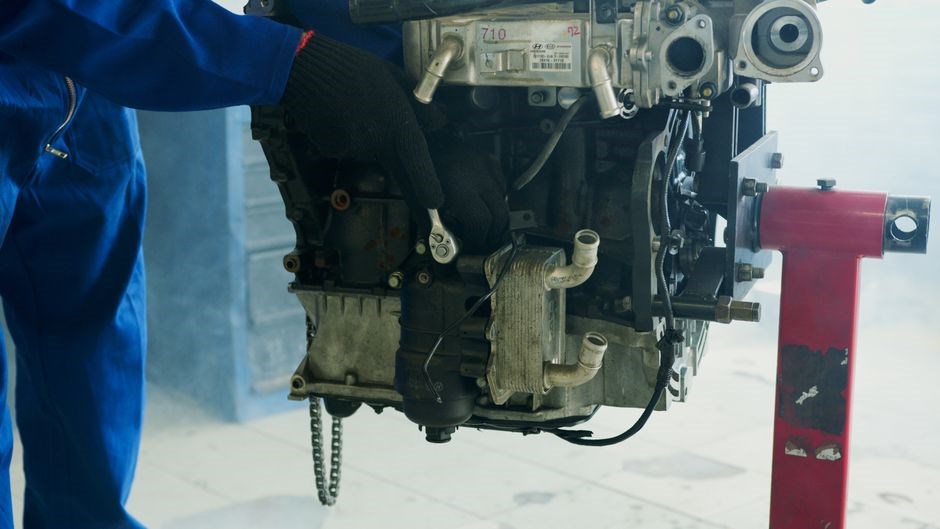
Leak Detection and Repair
After the repair, verify the fuel system pressure with a calibrated gauge while the engine idles. The reading should match EZGO TXT specifications, usually 30–45 psi. If low, re‑check hose connections and pump operation. Inspect exhaust for unburned fuel odors or vapor, indicating a residual leak. Ensure safety valves seat properly and the shut‑off valve closes. Parameters are within spec, the vehicle can resume now service!

Safety and Maintenance Recommendations
Follow EZGO safety protocols: wear gloves, goggles, and flame‑resistant clothing. Keep the work area well‑ventilated and free of ignition sources. Inspect fuel lines, hoses, and fittings for wear before each use. Replace worn parts promptly to avoid leaks and ensure optimal performance. Verified !
Personal Protective Equipment
When working with EZGO TXT gas parts, strict adherence to personal protective equipment (PPE) guidelines is essential to safeguard operators from chemical exposure, mechanical hazards, and fire risks. The recommended PPE ensemble includes:
- Gloves: Chemical‑resistant nitrile gloves rated for gasoline and oil contact, with reinforced fingertips for handling sharp components.
- Respiratory Defense: A half‑mask respirator equipped with organic vapor cartridges when working in poorly ventilated areas or during fuel line repairs.
- Protective Clothing: Flame‑retardant coveralls or a lab coat with a high‑visibility vest to prevent ignition from static discharge.
- Footwear: Steel‑toe boots with slip‑resistant soles to protect against dropped parts and chemical spills.
Inspect PPE before use. at all times.andglove
Before commencing any task, verify that all PPE components are in good condition, properly fitted, and compliant with OSHA or ANSI standards. Replace damaged gloves, sealant‑leaking masks, or cracked goggles immediately. Maintain a clean workspace, store flammable liquids in approved containers, and ensure that the PPE inventory is regularly inspected and replenished. By integrating these protective measures into routine maintenance, technicians can reduce injury risk, prolong equipment life, and maintain compliance with industry safety regulations.