
hiking training program pdf
Hiking Training Program: A Comprehensive Guide
Embark on a 12-week journey to trail readiness! This program, detailed in a training program PDF, builds fitness, strength, and resilience for challenging hikes and treks;
Understanding Your Hiking Goals
Before diving into a hiking training program PDF, clearly define your objectives. Are you planning a multi-day trek in the Alps, a challenging peak ascent, or a leisurely day hike? Your goals dictate the intensity and focus of your training. A significant hike demands rigorous preparation, acknowledging that physical completion and safety are paramount.
Consider the hike’s distance, elevation gain, terrain, and pack weight. A training program PDF should be tailored to these specifics. Will you be carrying a 20lb pack for 6-10 miles, or facing steeper climbs? Understanding these factors allows you to create a realistic and effective plan, incorporating cardio, strength training, and weighted pack simulations. A well-defined goal ensures focused effort and maximizes your enjoyment on the trail.
Assessing Your Current Fitness Level
Prior to starting any hiking training program PDF, honestly evaluate your current fitness. Can you comfortably walk for an hour without fatigue? How is your cardiovascular endurance? Assess your strength – can you perform basic exercises like squats, lunges, and planks? This self-assessment is crucial for building a safe and effective plan.
A training program PDF should offer modifications for varying fitness levels. If you’re new to exercise, begin with a foundational base-building phase. If you’re already active, you can progress more quickly. Consider your experience with weighted pack hiking; starting too heavy can lead to injury. Be realistic about your capabilities and gradually increase intensity to avoid overexertion and ensure a successful, enjoyable hiking experience.
The Importance of a Training Plan PDF
A well-structured hiking training plan PDF is invaluable for preparing for a trek. It provides a roadmap, outlining cardio, strength training, and weighted pack hikes over a defined period – often 12 weeks, broken into phases. These plans, like those available on Amazon, ensure progressive overload, minimizing injury risk.
Utilizing a PDF allows for customization based on your hike’s distance, elevation gain, and pack weight. It details specific workouts, including running, biking, stair intervals, and core exercises. A good training program PDF will also incorporate recovery weeks and glute-strengthening routines. Investing in a comprehensive plan, or utilizing free resources, dramatically increases your chances of a safe and successful hiking adventure.
Phase 1: Building a Base (Weeks 1-3)
Focus on foundational fitness with cardio – running, biking, or fast walking – and bodyweight exercises. This initial phase, outlined in your training program PDF, establishes endurance.
Cardiovascular Training for Hiking
Cardio is crucial for hiking endurance, detailed within your hiking training program PDF. Begin with activities you enjoy – running, biking, utilizing an elliptical machine, or brisk walking. Aim for consistent sessions to build a solid aerobic base.
The program suggests incorporating cardio stair intervals, like 10 minutes on stairs with short breaks, to mimic elevation gain. Alternatively, a 30-minute stair climber session combined with 40 minutes on a treadmill, while wearing a weighted pack, effectively simulates trail conditions.
Gradually increase the duration and intensity of your cardio workouts each week. Remember, a strong cardiovascular system will significantly enhance your hiking performance and reduce fatigue on the trail. Consistency is key to success!
Running and Biking for Endurance
Enhance your hiking stamina with running and biking, as outlined in your hiking training program PDF. These activities build cardiovascular fitness essential for tackling long distances and varied terrain. Start with manageable distances and gradually increase mileage each week.
Incorporate interval training – alternating between high-intensity bursts and recovery periods – to improve your aerobic capacity. Biking is excellent for building leg strength and endurance, while running focuses on overall cardiovascular health.
Remember to listen to your body and incorporate rest days to prevent overtraining. A well-rounded running and biking regimen, detailed in the PDF, will prepare you for the physical demands of the trail, ensuring a more enjoyable and successful hiking experience.
Utilizing the Elliptical and Fast Walking
Complement your hiking training with the elliptical and fast walking, as detailed within your hiking training program PDF. The elliptical provides a low-impact cardiovascular workout, minimizing stress on joints while building endurance. Vary the resistance and incline to simulate uphill hiking conditions.
Fast walking, particularly with a slight incline, directly mimics the motion of hiking and strengthens relevant muscle groups. Incorporate brisk walks into your routine several times a week, gradually increasing duration and pace.
These options are ideal for recovery days or when outdoor conditions are unfavorable. The PDF outlines specific workout structures, ensuring a balanced and effective approach to building the endurance needed for successful hikes.
Strength Training Fundamentals
A robust strength training foundation is crucial, as outlined in your hiking training program PDF. Hiking demands strength in legs, core, and upper body to navigate varied terrain and carry a pack. This program emphasizes functional movements that directly translate to trail performance.
Focus on exercises that build endurance and stability, rather than solely focusing on bulk. The PDF details a progressive approach, starting with bodyweight exercises and potentially incorporating weights as you advance.
Prioritize proper form to prevent injuries and maximize effectiveness. Consistent strength training will enhance your hiking power, reduce fatigue, and improve overall resilience on the trail.
Bodyweight Exercises for Hikers
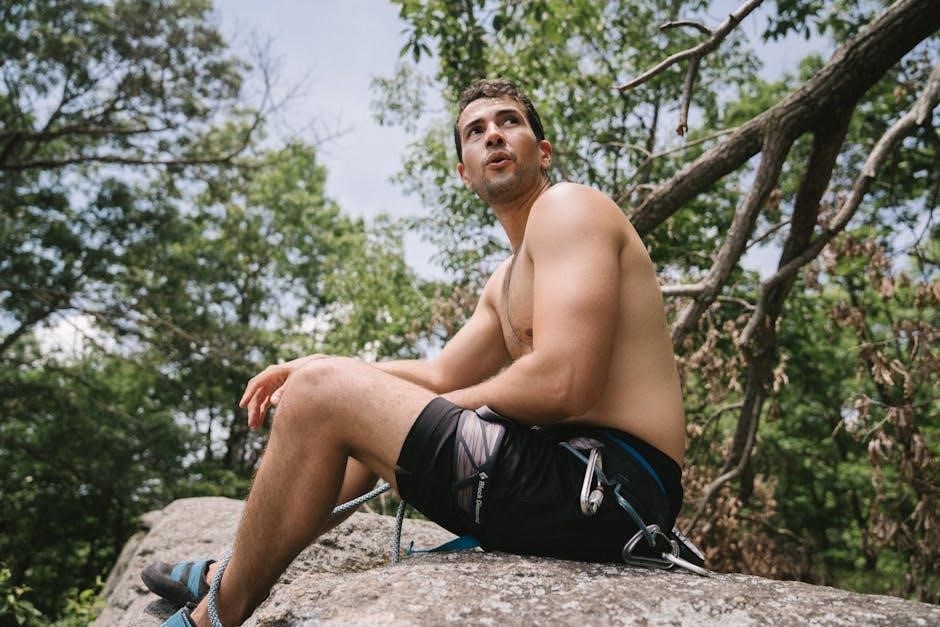
Your hiking training program PDF champions bodyweight exercises as a foundational element, accessible anywhere without equipment. These movements build functional strength vital for trail success. Begin with foundational exercises like squats, mimicking the hiking motion, and lunges, targeting quads and glutes for uphill climbs.
Push-ups enhance upper body strength for navigating obstacles and maintaining balance. Incorporate planks to strengthen your core, crucial for stability with a weighted pack. The PDF suggests variations like mountain climbers and army crawls to increase intensity.
Remember consistent form over quantity. These exercises, performed regularly, will build the necessary endurance and resilience for long days on the trail.
Focus on Core Strength
A robust core is paramount, as highlighted in your hiking training program PDF, for stability and efficient movement while hiking, especially with a weighted pack. The core isn’t just about “abs”; it encompasses all muscles stabilizing your spine and pelvis.
The PDF recommends dedicating 10 minutes, three times weekly, to core work. Exercises include planks (holding for 30-60 seconds), boat pose, and crunches. Progress to plank variations for increased challenge. Mountain climbers and army crawls, also beneficial for overall fitness, heavily engage the core.
A strong core minimizes strain, improves posture, and enhances power transfer from your legs, leading to more efficient and enjoyable hikes.

Phase 2: Increasing Intensity (Weeks 4-6)
Elevate your training with weighted pack hikes (6-10 miles), cardio stair intervals, and advanced core workouts, as detailed in the hiking training program PDF.
Weighted Pack Hiking
Crucially, the hiking training program PDF emphasizes weighted pack hiking to simulate real trail conditions. Begin by gradually increasing pack weight, starting around 20lbs, to build strength and endurance; Focus on hiking distance and duration, aiming for 3-5 hour hikes.
This phase prepares you for carrying gear comfortably. The PDF suggests alternating between outdoor hikes with a weighted pack and indoor alternatives like using a stair climber for 30 minutes combined with 40 minutes on a treadmill, maintaining the same pack weight. Remember to warm up before each session with jumping jacks, sit-ups, push-ups, and squats, as outlined in the program’s detailed daily plans. Consistent practice is key to success!
Gradually Increasing Pack Weight
The hiking training program PDF stresses a progressive approach to weighted pack hiking. Don’t immediately load up with a heavy pack! Begin with a manageable weight – around 20lbs – and gradually increase it each week. This prevents injury and allows your body to adapt.
The PDF details a structured plan for weight progression, ensuring you’re building strength safely. Listen to your body; if you experience pain, reduce the weight. Focus on maintaining good posture while hiking with the pack. This phase is vital for preparing your muscles and joints for the demands of carrying gear on the trail. Consistent, incremental increases are far more effective than attempting too much too soon.
Hiking Distance and Duration
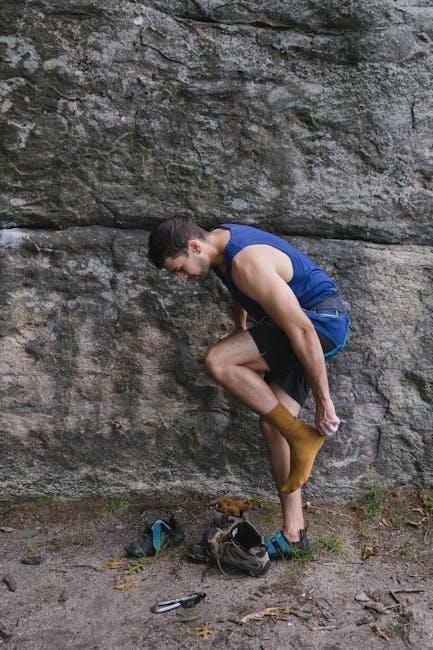
The hiking training program PDF outlines a plan to systematically increase both hiking distance and duration. Initially, aim for hikes lasting 3-5 hours with a weighted pack, covering 6-10 miles. As your fitness improves, progressively extend these parameters.

The PDF emphasizes the importance of simulating actual hike conditions. This means not just increasing mileage, but also elevation gain. Pay attention to terrain; varied terrain builds more comprehensive strength. Proper pacing is crucial – avoid starting too fast. The program suggests incorporating longer hikes into your weekend schedule, building towards the demands of your target trek. Remember to prioritize recovery between longer sessions.
Cardio Stair Intervals
The hiking training program PDF incorporates cardio stair intervals to mimic the demands of ascending trails. A foundational workout involves 10 minutes on stairs, structured as 2-minute stair climbs followed by 30-second breaks. This builds leg strength and cardiovascular endurance efficiently.
For those without access to stairs, the PDF suggests utilizing a stair climber for 30 minutes, combined with 40 minutes on a treadmill – maintaining the same pack weight used during outdoor hikes. These intervals improve your body’s ability to handle sustained uphill exertion. Consistency is key; aim for at least two stair interval sessions per week, gradually increasing the duration or intensity.
Implementing Stair Climbing Workouts
The hiking training program PDF details how to effectively integrate stair climbing into your routine. Begin with shorter intervals, like 2 minutes of climbing followed by 30 seconds of rest, repeating for a total of 10 minutes. Gradually increase the climbing duration and reduce rest periods as your fitness improves.
Focus on maintaining good form: engage your core, keep your back straight, and avoid leaning heavily on the handrails. Consider wearing a weighted pack during stair workouts to simulate hiking conditions. Alternatively, utilize a stair climber machine, adjusting the resistance to challenge yourself. Remember to warm up before and cool down after each session to prevent injury.
Advanced Core Workouts
The hiking training program PDF emphasizes a strong core for stability and power on the trail. Progress beyond basic exercises with challenging variations. Incorporate plank variations – side planks, plank with leg lifts, and forearm planks – holding each for 30-60 seconds.
Mountain climbers are excellent for dynamic core strength, aiming for 1 minute of continuous movement. Include exercises like boat pose, army crawls, and push-ups to target multiple core muscles. Dedicate 10 minutes to core work, performing each exercise for 1 minute with 30 seconds rest between sets. Consistency is key to building a resilient core for demanding hikes.
Plank Variations and Mountain Climbers
As outlined in the hiking training program PDF, strengthening your core is vital for maintaining stability on uneven terrain. Elevate your plank game beyond the standard hold! Try side planks to target obliques, forearm planks for increased difficulty, and plank variations with leg lifts to challenge balance. Aim for 30-60 second holds for each variation.

Mountain climbers are a dynamic exercise, building both core strength and cardiovascular endurance. Focus on maintaining a stable core and controlled movements. Incorporate 1 minute of continuous mountain climbers into your routine. These exercises, when consistently practiced, will significantly improve your hiking performance and reduce injury risk.
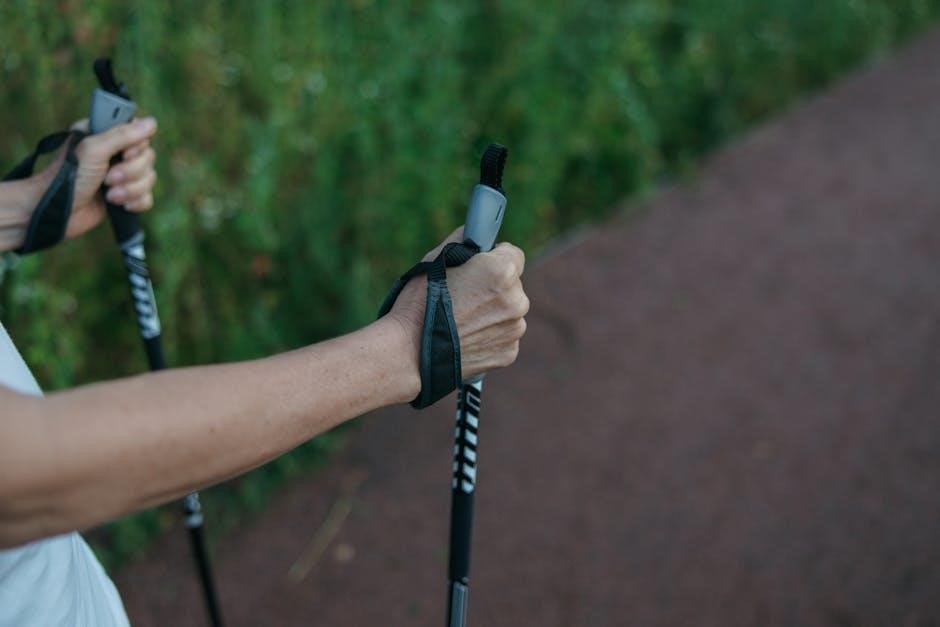
Phase 3: Peak Performance (Weeks 7-9)
This phase, detailed in the hiking training program PDF, focuses on long-distance hikes with a weighted pack, simulating real trail conditions for peak endurance.
Long Distance Hikes with Weighted Pack
As outlined in the comprehensive hiking training program PDF, weeks 7-9 emphasize simulating actual hike conditions. This involves undertaking long-distance hikes – aiming for 6-10 miles – while carrying a weighted pack, starting around 20lbs. The PDF stresses the importance of gradually increasing both distance and pack weight throughout these weeks.
If outdoor access is limited, the program suggests utilizing a stair climber for 30 minutes, followed by 40 minutes on a treadmill, maintaining the same pack weight. This ensures continued cardiovascular and muscular endurance development. The PDF highlights that consistent, challenging hikes are crucial for building the specific strength and stamina needed to confidently tackle your target trek. Remember to prioritize proper form and listen to your body throughout these demanding sessions.
Simulating Hike Conditions
The hiking training program PDF details how to effectively mimic trail challenges during preparation. This involves not just distance, but also elevation gain and pack weight. Long hikes with a weighted pack (starting at 20lbs) are central, aiming for 6-10 miles to build endurance.
For those without immediate trail access, the PDF recommends indoor alternatives. A 30-minute stair climber session, followed by 40 minutes on a treadmill with the same pack weight, provides a comparable workout. Focus on maintaining a consistent pace and simulating the varied terrain you’ll encounter. The goal is to prepare your body for the specific demands of your planned hike, ensuring you’re physically and mentally ready for the adventure ahead.
Treadmill and Stair Climber Alternatives
The hiking training program PDF acknowledges that outdoor access isn’t always feasible. Therefore, it provides robust indoor alternatives utilizing treadmills and stair climbers. A 30-minute stair climber session effectively replicates elevation gain, crucial for building leg strength and cardiovascular endurance.
Combine this with 40 minutes on a treadmill, maintaining a consistent incline and speed, while wearing your weighted pack. This simulates the demands of uphill hiking. Remember to adjust the incline to mimic the terrain of your target hike. The PDF emphasizes maintaining the same pack weight used in outdoor training to ensure consistent preparation. These alternatives allow for continued progress regardless of weather or location.
Maintaining Fitness Indoors
The hiking training program PDF prioritizes adaptability, recognizing that inclement weather or limited access can disrupt outdoor training. Maintaining fitness indoors is crucial for consistent progress. Utilize the treadmill for sustained cardio, mimicking hiking pace and incline with a weighted pack.
Stair climbing, either on a dedicated machine or actual stairs, builds leg strength and endurance. The PDF suggests 10-minute stair intervals, alternating between 2 minutes of climbing and 30 seconds of rest. Supplement these with core workouts, as detailed in the program. Consistent indoor sessions prevent detraining and ensure you remain prepared for your hike, even when the trail is inaccessible.

Strength Training for Specific Muscle Groups
The hiking training program PDF emphasizes targeted strength training to support hiking demands. Focus on muscle groups crucial for uphill climbs, downhill control, and pack carrying. Reverse lunges build unilateral leg strength, mimicking the motion of ascending steep terrain. Incorporate front planks to enhance core stability, vital for maintaining balance with a weighted pack.
The PDF outlines a four-round workout including six reverse lunges per leg and 30-second front plank holds. Prioritize proper form to prevent injury. Strengthening these specific muscle groups translates directly to improved hiking performance and reduced fatigue, ensuring a safer and more enjoyable experience on the trail.
Reverse Lunges and Front Planks
The hiking training program PDF details reverse lunges and front planks as cornerstone exercises. Reverse lunges target glutes, quads, and hamstrings – essential for uphill power and controlled descents. Perform four rounds of six repetitions per leg, focusing on maintaining a stable core and controlled movement.
Front planks, held for 30 seconds per round, build isometric core strength, crucial for stabilizing the spine under the load of a backpack. Proper form is paramount: maintain a straight line from head to heels, engaging abdominal muscles. These exercises, as outlined in the PDF, enhance stability, balance, and endurance, directly translating to improved hiking performance and injury prevention.
Recovery and Injury Prevention
The hiking training program PDF emphasizes recovery weeks with glute-focused exercises and injury prevention strategies, vital for sustained progress and avoiding setbacks.
The Importance of Recovery Weeks
Recovery weeks are integral to the 12-week hiking training program PDF, strategically placed after each three-week phase. These aren’t simply rest periods; they’re active recovery, designed to allow your body to adapt to the increasing demands placed upon it. Ignoring recovery can lead to plateaus, overtraining, and a heightened risk of injury.
The program PDF details specific exercises for recovery weeks, focusing heavily on glute strengthening. Strong glutes are crucial for hiking stability and power, and often become fatigued or injured. These weeks incorporate targeted exercises to address these areas. Prioritizing recovery ensures you’re building a sustainable foundation for long-term hiking success, maximizing gains while minimizing the potential for setbacks.
Glute Strengthening Exercises
The hiking training program PDF emphasizes glute strength as foundational for both performance and injury prevention. Recovery weeks specifically incorporate exercises targeting these crucial muscles. Expect to find detailed instructions for movements designed to build endurance and power in your glutes, hips, and core.

These exercises aren’t just about aesthetics; they directly translate to improved stability on the trail, more efficient uphill climbs, and reduced strain on your knees and ankles. The PDF will guide you through variations suitable for all fitness levels, ensuring proper form to maximize effectiveness and minimize risk. Consistent glute work is key to unlocking your hiking potential and enjoying longer, more challenging adventures.
Addressing Common Hiking Injuries
The comprehensive hiking training program PDF doesn’t just focus on building strength; it proactively addresses potential injuries. It details common ailments like knee pain, ankle sprains, and blisters, offering preventative strategies integrated throughout the 12-week plan.
You’ll find guidance on proper footwear, pack fitting, and pacing techniques to minimize stress on vulnerable joints. The PDF also includes exercises specifically designed to strengthen supporting muscles, improving stability and reducing injury risk. Furthermore, it outlines self-assessment techniques to identify early warning signs and provides recommendations for when to seek professional medical attention, ensuring a safe and enjoyable hiking experience.

Resources and Further Information
Enhance your training with free resources and consider purchasing a detailed 12-week hiking training plan PDF for a structured approach, plus Amazon book reviews!
Free Hiking Training Resources
Begin your preparation with readily available, cost-free materials to supplement your hiking fitness journey. Numerous online platforms offer introductory workout routines focusing on cardiovascular endurance and foundational strength training – essential building blocks for tackling trails.
Explore articles detailing basic strength-training exercises specifically geared towards hikers, providing a simple workout plan and valuable training tips. Many websites also feature printable workout schedules to help you stay organized and motivated.
Don’t overlook the power of community! Online hiking forums and groups often share training advice, recommended exercises, and even sample workout plans. Utilize these resources to gain insights and support from fellow hikers. Remember to grab a free resource to ensure you’re fully prepared!
Purchasing a 12-Week Hiking Training Plan PDF
Elevate your training with a dedicated 12-week hiking training plan PDF, offering a structured and progressive approach to peak performance. These comprehensive guides typically break down the program into three phases, each lasting three weeks, followed by a crucial recovery week.
Expect detailed workout schedules encompassing cardio, strength training, and weighted pack hiking, designed to simulate real-world trail conditions. Many plans cater to both at-home and gym-based workouts, providing flexibility to suit your preferences.
Amazon.com offers options like “Strength & Endurance Workouts to Prepare for Hiking, Backpacking & Trekking,” providing focused preparation. Investing in a PDF ensures a tailored plan for your specific hike, maximizing your success and safety on the trail.
Amazon Book Reviews for Hiking Training
Explore valuable insights from fellow hikers on Amazon.com regarding hiking training resources. Reviews for PDFs like “Strength & Endurance Workouts…” highlight the program’s effectiveness in building necessary fitness. Users praise the structured approach, particularly the phased training – building a base, increasing intensity, and peaking for performance.
Many reviewers appreciate the adaptability for both gym and home workouts, making it accessible to a wider audience. Positive feedback often mentions the inclusion of weighted pack training and cardio stair intervals as crucial components.
However, some suggest supplementing the plan with personalized advice. Check Amazon for recent reviews to gauge current user experiences and ensure the PDF aligns with your specific hiking goals and fitness level.